Organic Modern vs Japandi: Decoding the Differences
Are you currently revamping your home decor and finding yourself caught between two captivating design trends: Organic Modern vs Japandi? It’s easy to confuse these aesthetics, as both champion natural materials, serene palettes, and a sense of calm. However, subtle yet significant differences distinguish them, influencing everything from your choice of wood furniture to overall room decor.
Understanding these nuances is crucial for creating a cohesive space that truly reflects your desired ambiance. Let’s delve into what makes each style unique, helping you pinpoint the perfect fit for your sanctuary.
Understanding Organic Modern: Nature’s Embrace
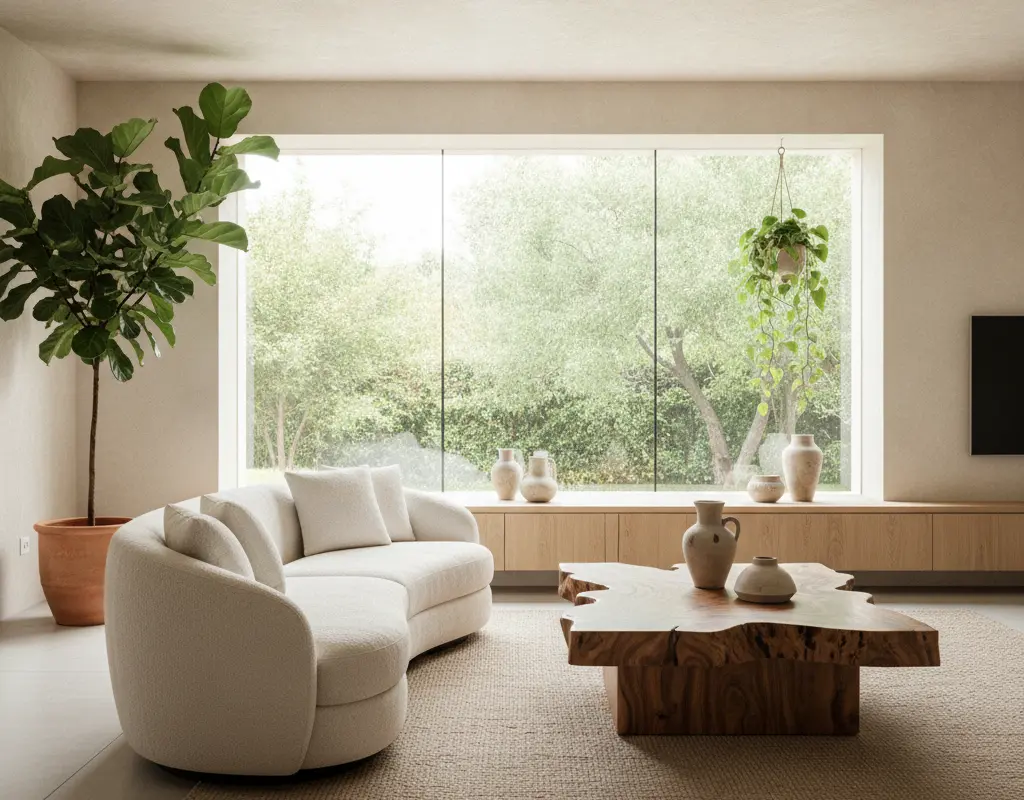
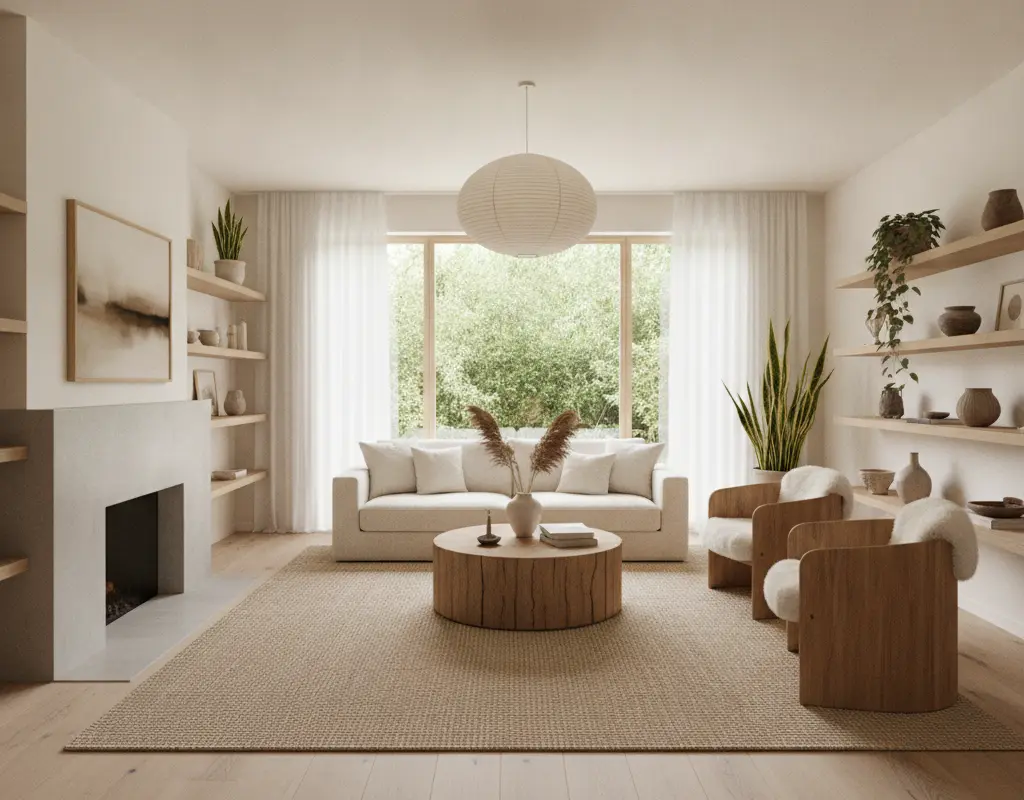
Organic Modern design celebrates the beauty of natural forms and materials, blending them with contemporary sensibilities. Think comfort, warmth, and a connection to the outdoors, but with a refined edge. This style often incorporates curved lines, sculptural elements, and a rich array of textures.
Key characteristics include plush textiles, natural wood furniture with soft edges, and an abundance of indoor plants. It’s about creating an inviting, sophisticated space that feels both grounded and luxurious.
In contrast, Japandi is a thoughtful fusion of Japanese minimalism and Scandinavian functionality. The name itself is a portmanteau of “Japanese” and “Scandi.” This aesthetic prioritizes simplicity, craftsmanship, and a deep appreciation for imperfection, a concept known as “wabi-sabi.”
Japandi spaces are characterized by clean lines, uncluttered surfaces, and a focus on utility. While both styles use natural materials, Japandi leans towards more raw, unfinished textures and often a starker contrast in its palette.
Organic Modern vs Japandi: Key Distinctions in Room Decor
Materials and Textures
- Organic Modern: Embraces a wider range of natural materials, often with a more polished or luxurious finish. Expect to see smooth woods, bouclé fabrics, natural stone, and even some subtle metallic accents.
- Japandi: Focuses on raw, natural, and often contrasting materials. Light woods (like birch or ash) are paired with darker, more rustic elements (like black stained wood or concrete). Linen, cotton, and ceramics are prevalent, emphasizing handcrafted quality.
Color Palette
- Organic Modern: Typically features warmer, earthier tones – think creamy whites, soft beiges, terracotta, muted greens, and warm grays. The palette feels rich and enveloping.
- Japandi: Utilizes a cooler, more neutral palette. Expect starker whites, grays, black, and natural wood tones, often with pops of deep indigo or muted greens. The contrast is more pronounced, contributing to a sense of calm and order.
Furniture and Form
When it comes to wood furniture and other pieces, their forms diverge significantly:
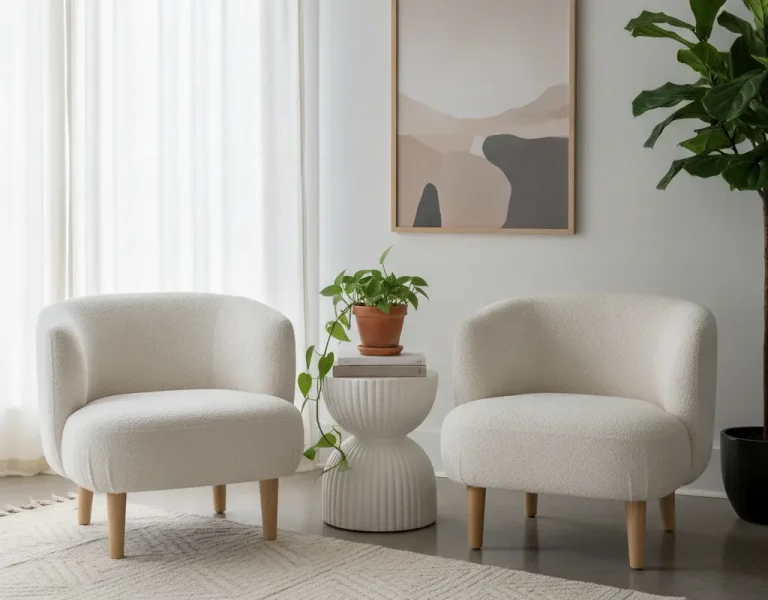
- Organic Modern furniture: Furniture often features soft, flowing curves and sculptural shapes. Pieces are comfortable, inviting, and can make a statement while maintaining a natural feel.
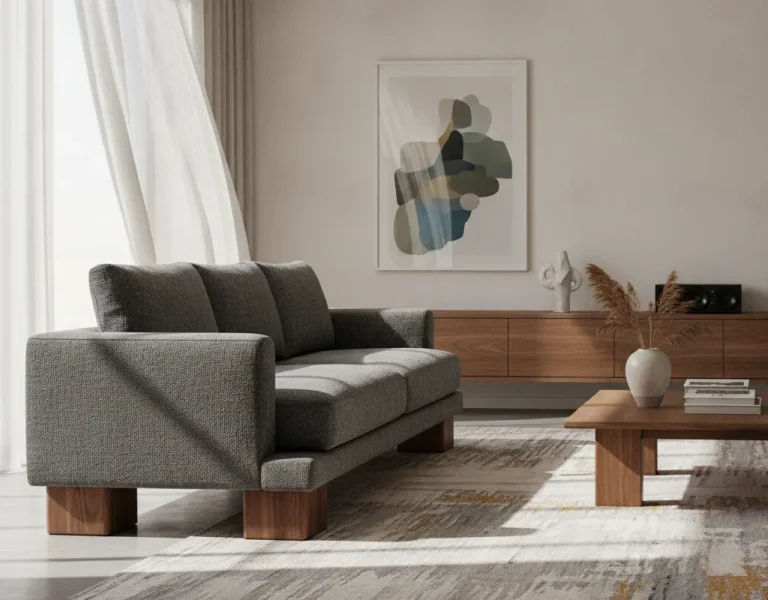
- Japandi furniture: Furniture is characterized by clean, straight lines and low-profile designs, reflecting Japanese aesthetics. Functionality and durability are paramount, with a strong emphasis on minimalist forms and traditional craftsmanship. The focus is on quality over quantity, with each piece serving a purpose.
Overall Vibe and Room Decor
The overall atmosphere created by each style also differs:
- Organic Modern: Creates a sophisticated, comforting, and somewhat opulent environment. It feels connected to nature but with a touch of curated luxury, making it ideal for a cozy yet elegant home decor.
- Japandi: Cultivates a serene, minimalist, and highly functional space. It’s about decluttering both physical space and mind, promoting tranquility and mindful living. The aesthetic is clean, calm, and deeply rooted in simplicity. For further insight into the Japanese influence, consider the principles of Wabi-Sabi.
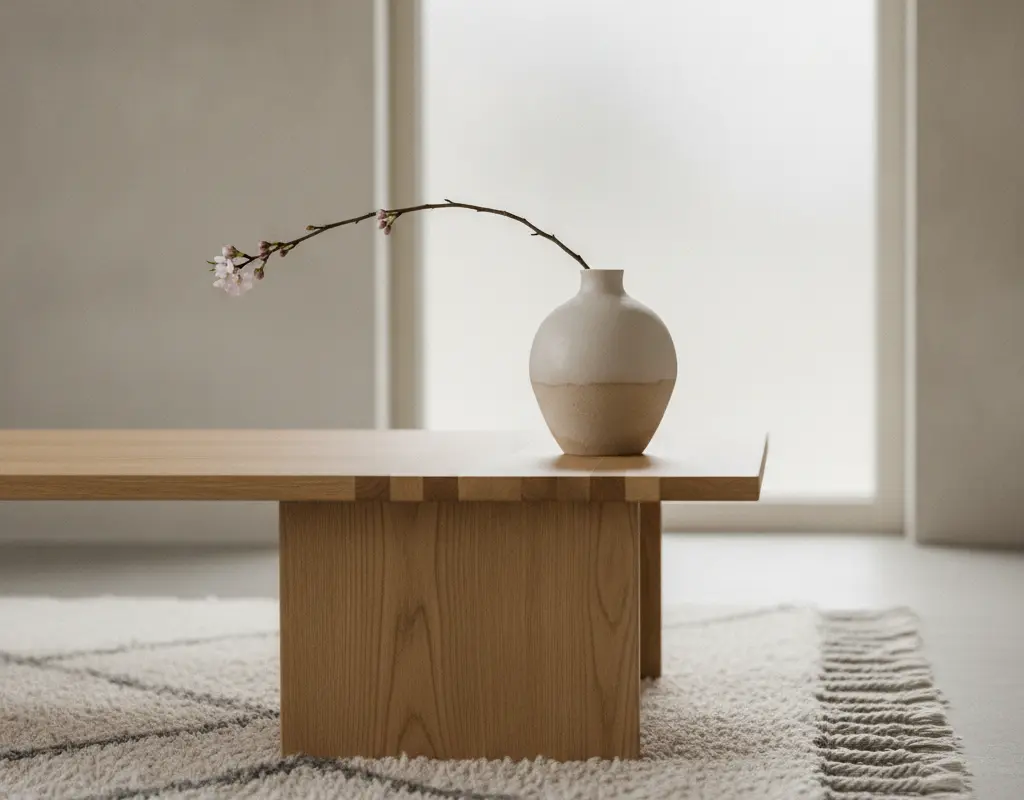
Ultimately, both Organic Modern and Japandi offer beautiful pathways to a more serene and thoughtfully designed home. Your choice between Organic Modern vs Japandi will hinge on your personal preference for warmth versus starkness, sculptural forms versus minimalist lines, and a subtly luxurious feel versus a purely functional, tranquil space.
By understanding these distinctions in room decor, wood furniture, and overall aesthetic, you can confidently choose the style that resonates most with your lifestyle and vision for your perfect sanctuary. Embrace the natural world, in whichever elegant form you prefer!