

How to Style Coffee Table Like an Interior Designer
Your coffee table is more than just a place to set your mug; it’s a prime opportunity to express your personal style and elevate your living room. Learning how to style coffee table surfaces effectively can transform an ordinary space into something truly special. Interior designers often use simple, yet powerful techniques to create visually appealing and functional vignettes.
This guide will unlock those secrets, helping you curate beautiful and balanced displays. We’ll explore foundational principles, from defining zones with trays to mastering the art of layering, ensuring your coffee table always looks its best.
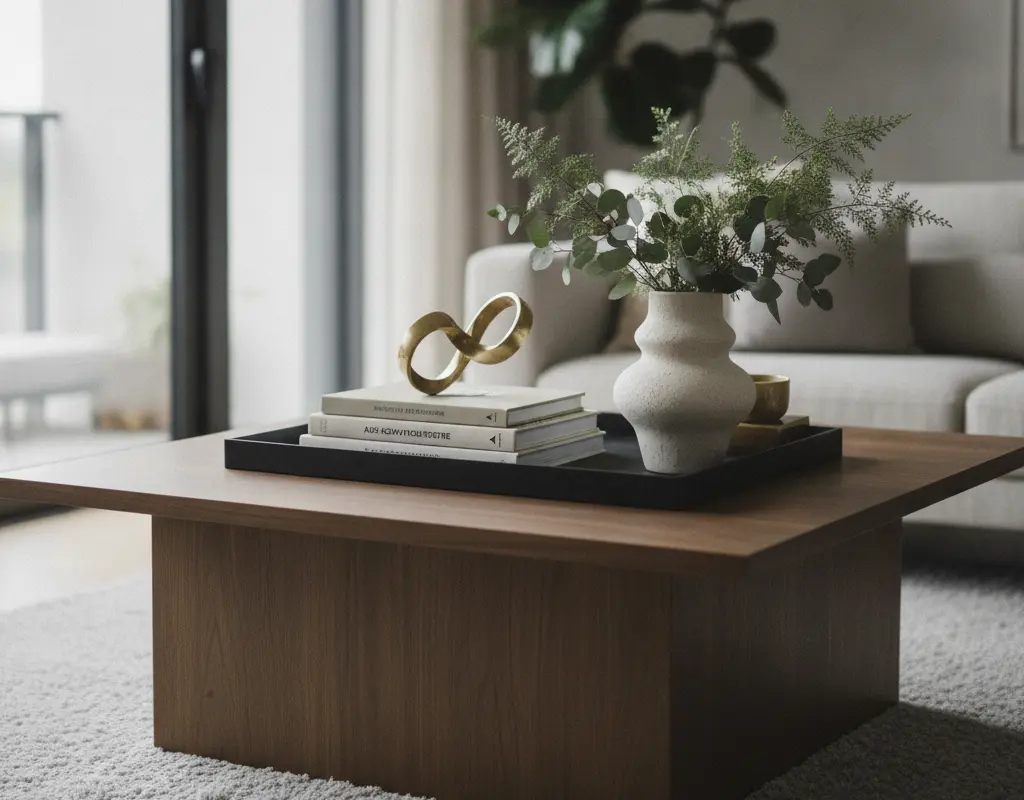
Transforming your coffee table from a mere surface into a captivating display requires a strategic approach. These designer-approved techniques will show you how to style coffee table surfaces with flair and function.
The Foundation: Using Trays to Define Zones
Trays are the unsung heroes of coffee table styling. They instantly create a defined zone, corralling smaller items and preventing clutter. Choose a tray that complements your room’s aesthetic – perhaps a sleek metallic, a rustic wood, or a woven texture. This simple addition makes your arrangement feel intentional and polished.
A well-placed tray acts as an anchor for your vignette, making it easier to arrange items within a cohesive boundary. It also offers practicality, allowing you to easily move items when you need the table for other uses. Interior design blogs frequently emphasize the utility of decorative trays for organization and style.
The Rule of Threes: Balance, Scale, and Heights
The “rule of threes” is a fundamental principle in interior design, suggesting that objects arranged in odd numbers are more appealing and memorable. When styling your coffee table, group items in sets of three, varying their heights, textures, and scale to create visual interest. For example, combine a tall vase, a medium-sized candle, and a flat stack of books.
This technique creates a dynamic and balanced look that draws the eye without overwhelming the space. According to design experts, using odd numbers tends to be more visually appealing and natural, as highlighted in various interior design principles guides. Remember to consider the overall proportion of your items relative to the coffee table itself.
Stacking Art & Architecture Books: Curating Cover Themes
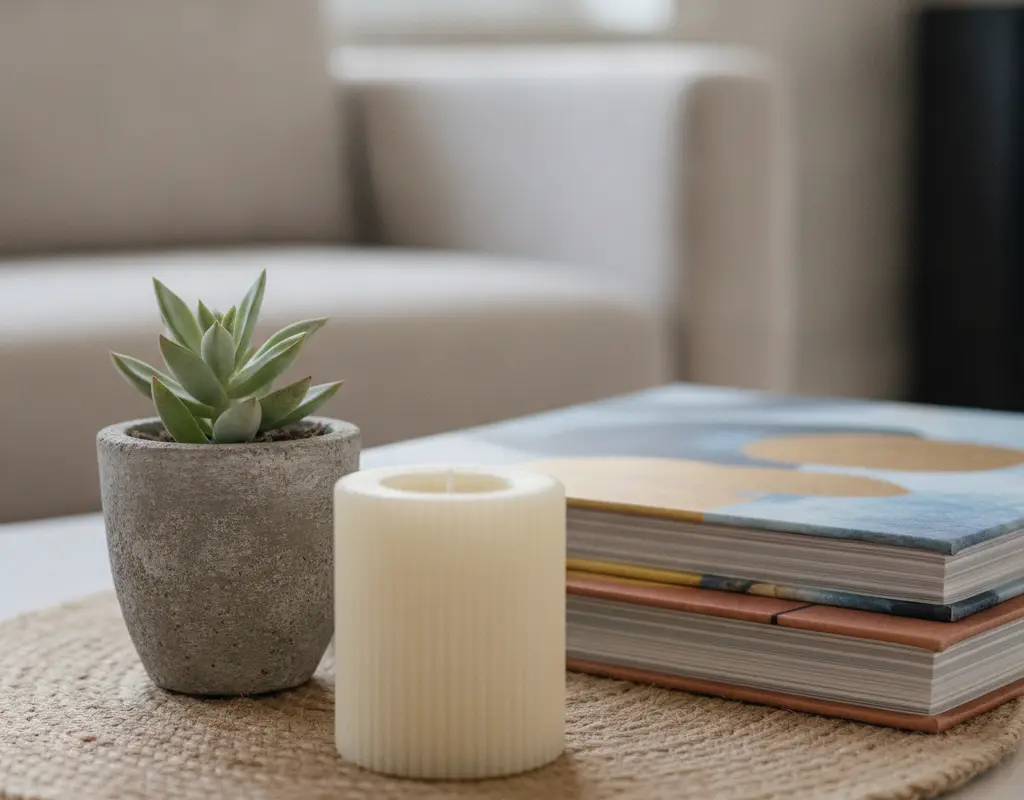
Coffee table books are both decorative and conversational pieces. Select books with beautiful covers that align with your personal interests or the room’s color scheme. Stack them horizontally to create varying heights and a solid base for smaller decorative objects. A stack of two or three books often works best.
Consider the themes of your books. Perhaps a collection of art books, travel guides, or architectural monographs. Not only do they add visual weight, but they also offer your guests something interesting to browse. Many interior designers suggest choosing books that reflect your passions to make your space feel more personal and authentic.
Layering Organic Textures: Stone Bowls, Brass Objects, Botanicals
Introduce a variety of textures to add depth and warmth to your coffee table. Think beyond smooth surfaces. Incorporate elements like a polished stone bowl, a vintage brass sculpture, or a delicate ceramic dish. These tactile elements invite touch and create a richer sensory experience.
Don’t forget the power of botanicals. A small potted plant, a minimalist vase with fresh flowers, or even a preserved branch can bring life and an organic touch to your arrangement. These natural elements soften hard lines and introduce a refreshing pop of color.
Editing and Maintaining Negative Space to Avoid Clutter
Perhaps the most crucial rule of all is knowing when to stop. An overcrowded coffee table looks messy and detracts from the beauty of individual pieces. Embrace negative space; it allows each item to breathe and be appreciated. Periodically step back and assess your arrangement.
If it feels too busy, remove one or two items. The goal is a curated display, not a collection. Maintaining clear surfaces around your vignettes is essential for a serene and inviting atmosphere. Less is often more when it comes to sophisticated styling.
Conclusion
Mastering how to style coffee table surfaces is an art that combines thoughtful design principles with personal expression. By utilizing trays, embracing the rule of threes, curating impactful books, layering diverse textures, and practicing mindful editing, you can create a centerpiece that truly enhances your living space.
Remember, your coffee table should reflect your home’s personality while remaining functional. Experiment with different arrangements, trust your aesthetic, and enjoy the process of transforming this essential piece of furniture into a captivating focal point.


