

What Is Organic Modern Style? A Beginner’s Guide
Have you encountered the term Organic Modern style and wondered what it truly means for your home? This increasingly popular aesthetic offers a refreshing blend of natural warmth and contemporary minimalism, creating spaces that feel both sophisticated and inviting. It’s a design philosophy that champions simplicity, natural materials, and fluid forms.
Understanding Organic Modern style helps you craft serene environments. It thoughtfully combines the best elements of nature-inspired design with sleek, functional modernism. This guide will help beginners grasp its core principles and see how it stands apart from similar trends like boho and mid-century modern.
Defining Organic Modern Style: Nature Meets Minimalism
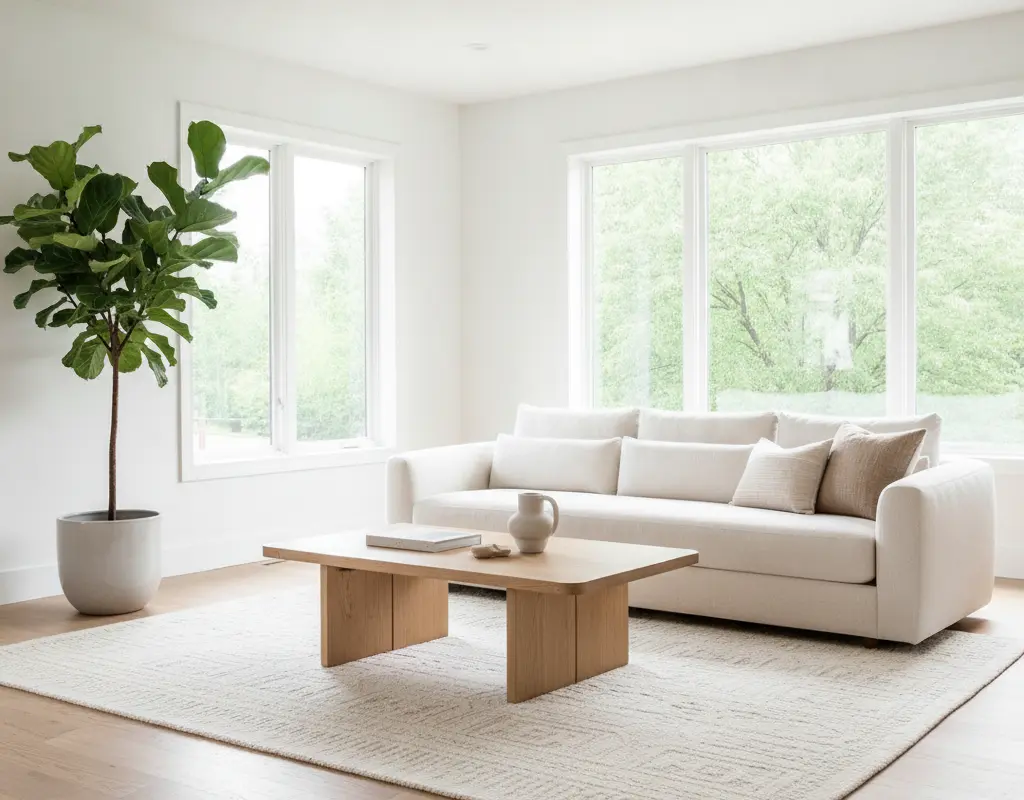
At its heart, Organic Modern style embraces natural elements and clean lines. Think raw, tactile textures like unpolished wood, natural stone, and woven fibers paired with streamlined silhouettes. The goal is to create a harmonious environment that feels connected to the outdoors while maintaining a contemporary edge.
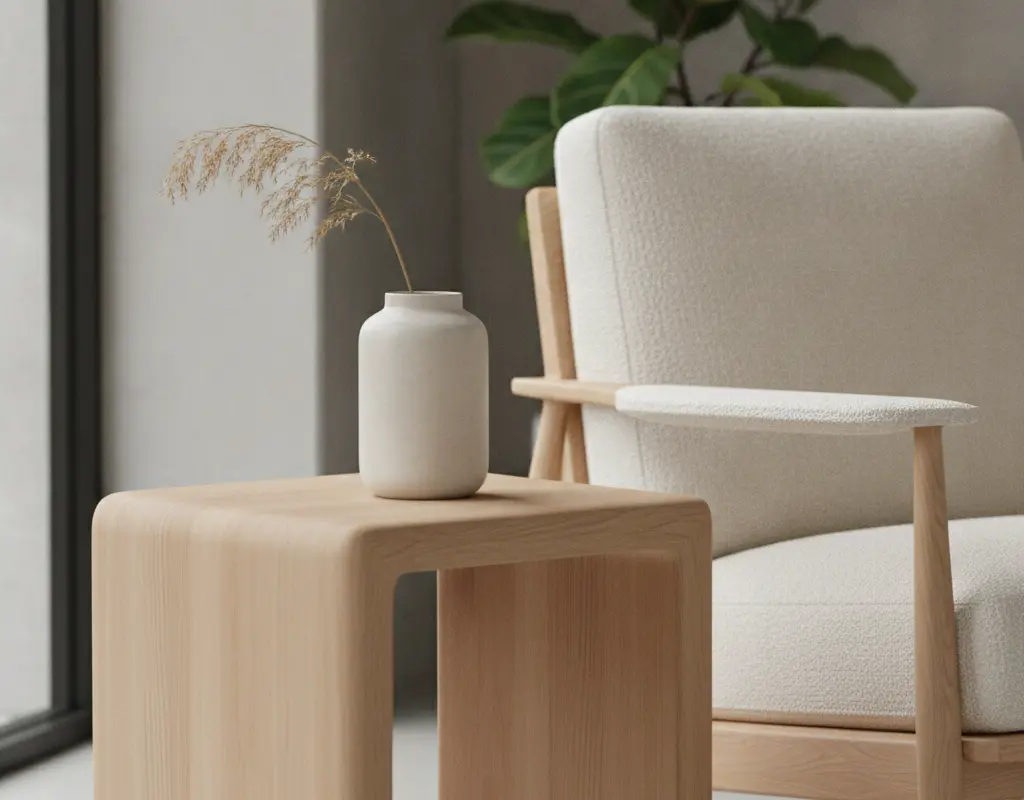
This style prioritizes comfort and functionality, often incorporating neutral color palettes – creams, whites, muted greens, and earthy browns – to evoke a sense of calm. You’ll find a strong emphasis on natural light and open spaces, allowing the beauty of the materials to shine through. For instance, a beautifully crafted `wood furniture` piece, like an oak side table with soft, rounded edges, perfectly embodies this aesthetic.
Organic Modern vs. Mid-Century Modern: A Softer Approach
While both styles appreciate clean lines and quality craftsmanship, Organic Modern diverges from the stricter geometry often found in `mid-century` modern design. Mid-century pieces, like those from Eames or Saarinen, are iconic for their bold forms and sometimes industrial materials. Organic Modern, by contrast, leans into softer curves, more natural finishes, and a less rigid feel, drawing inspiration from biophilic design principles. As noted by Architectural Digest, it’s about a ‘softer, more fluid take on modernism.’
How Organic Modern Differs from Boho Style
Many people confuse Organic Modern with `boho` (bohemian) `room decor`, but key distinctions exist. Boho style is known for its eclectic mix of patterns, vibrant colors, global influences, and often a more maximalist approach to layering. While both use natural materials, Organic Modern is far more refined and curated. It avoids clutter, favoring a minimalist aesthetic that highlights individual pieces rather than an abundance of them. It’s less about a global bazaar and more about a tranquil retreat.
The Scandi Influence: Simplicity and Warmth
The influence of `Scandi` (Scandinavian) design is evident in Organic Modern. Both styles champion simplicity, functionality, and a deep appreciation for natural materials, particularly light woods. However, Organic Modern often introduces a slightly warmer, more earthy palette and a greater emphasis on sculptural forms inspired by nature, moving beyond the often starker, cooler tones associated with traditional Scandinavian interiors. This blend creates a cozy yet sophisticated `home decor` look that is highly livable. For more insights into incorporating natural elements, explore resources like Elle Decor’s guides on natural design trends.
Embracing the Organic Modern Aesthetic
Ultimately, Organic Modern style offers a beautiful pathway to creating homes that feel both grounded and contemporary. It’s about finding balance: the clean lines of modernism meeting the comforting textures of the natural world. By focusing on quality materials, soft forms, and a serene palette, you can transform any space into a truly inviting sanctuary.
Begin incorporating this style by selecting key `wood furniture` pieces, like that perfect side table, or by introducing natural fibers and understated decor. The goal is to cultivate a sense of calm and connection, making your `home decor` a reflection of thoughtful, nature-inspired design.


