

How to Arrange Living Room Furniture in Long Narrow Apartments
Long, narrow living rooms often present a unique design challenge. Many of us instinctively push all our furniture against the walls, hoping to maximize space. However, this common mistake often makes the room feel even more like a corridor, lacking warmth and proper flow.
Learning how to arrange living room furniture in these tricky layouts is key to transforming your space. With a few strategic adjustments, you can create an inviting, functional area that feels spacious and stylish, rather than cramped and uninspired.
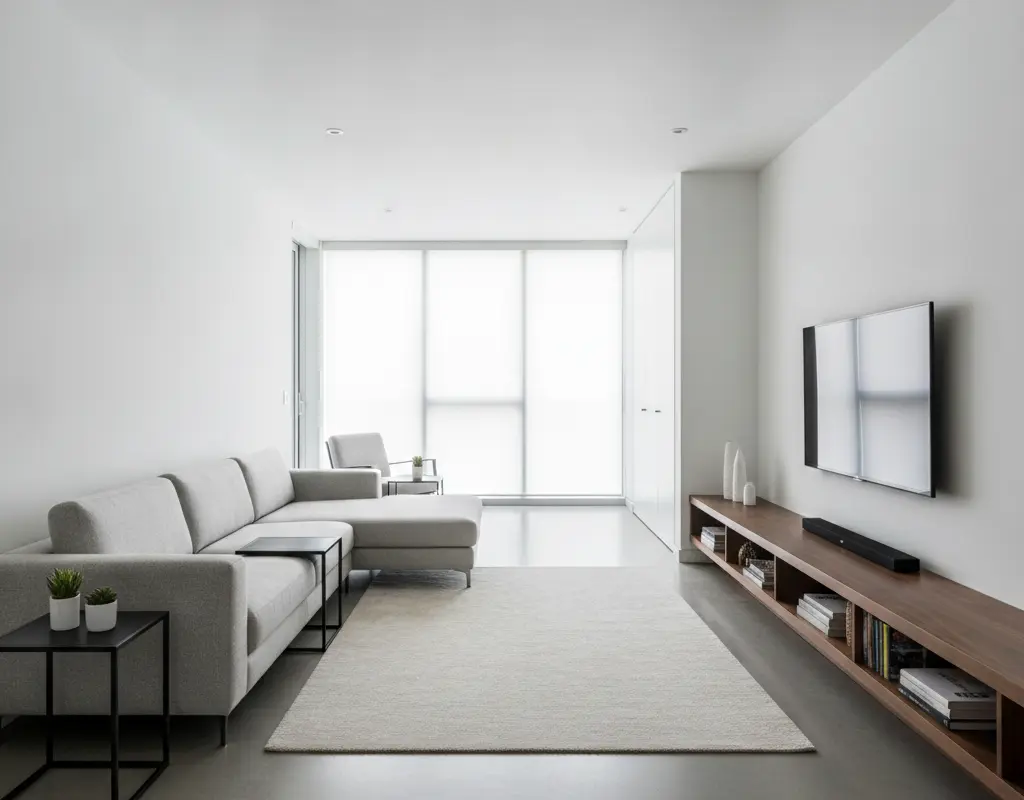
The “Wall-Hugging” Trap: Why Floating Furniture Creates Depth
It’s a natural inclination: push everything against the walls to make the room feel bigger. Yet, this often creates a “bowling alley” effect, emphasizing the room’s narrowness. To truly maximize your space and learn how to arrange living room furniture effectively, consider pulling your sofa and chairs slightly away from the perimeter.
Even a few inches can create a sense of depth, allowing the eye to perceive more space behind the furniture. This technique, known as ‘floating’ furniture, breaks up the long lines of the walls. It creates zones within the room, making it feel more intentional and less like a hallway. Don’t be afraid to experiment; you’ll be surprised by the immediate visual impact.
Establishing Clear Walkway Channels (Minimum 30-Inch Rule)
A common issue in narrow living rooms is obstructed pathways. People often weave around furniture, disrupting the room’s flow. Establish clear, unobstructed walkway channels, ideally at least 30-36 inches wide, to ensure comfortable movement. This rule is crucial for both aesthetics and functionality.
Think about the main routes people take through your living room. Is it from the entrance to a window, or from the kitchen to a seating area? Design your layout around these natural pathways. This strategy not only improves flow but also helps define different functional zones within your long space.
Grounding the Seating Island with an Appropriately Sized Rug
An area rug is a powerful tool for defining a seating area, especially in a long, narrow room. It acts as an anchor, creating a ‘seating island’ that feels cohesive and intentional. The key is choosing the right size.
Your rug should be large enough so that at least the front two legs of all main seating pieces (sofa, armchairs) rest on it. This visually pulls the furniture together, preventing it from looking like it’s floating aimlessly. A rug that’s too small will only emphasize the room’s narrowness, making your furniture appear disconnected. For tips on styling your central pieces, consider checking our guide on how to style a coffee table like an interior designer.
Swapping Bulky Accent Chairs for Open-Frame Armchairs
Bulky, overstuffed armchairs can quickly consume valuable visual and physical space in a narrow room. Instead, opt for lightweight, open-frame armchairs. Their exposed legs and slim profiles allow light to pass through, making the room feel airier and more spacious.
Look for designs with minimal upholstery and clean lines. Materials like rattan, metal, or sleek wood frames are excellent choices. These pieces offer comfortable seating without adding excessive visual weight, which is vital when you optimize vertical storage ideas for high-end small apartments and other space-saving solutions.
Visual Balance: Distributing Visual Weight Evenly Across Corners
Achieving visual balance is about ensuring no single area of the room feels too heavy or too light. In a long, narrow space, this means consciously distributing furniture, decor, and focal points. Avoid clumping all large items on one side.
For instance, if you have a large sofa on one wall, balance it with a console table, a tall plant, or a gallery wall on the opposite side. Consider using long wall mirrors to reflect light and create an illusion of depth, adding visual interest without bulk. According to expert living room layout rules from Architectural Digest, thoughtful placement is paramount to creating a harmonious space. You might also explore elegant room divider ideas to create distinct zones without permanent walls, further enhancing balance and functionality.
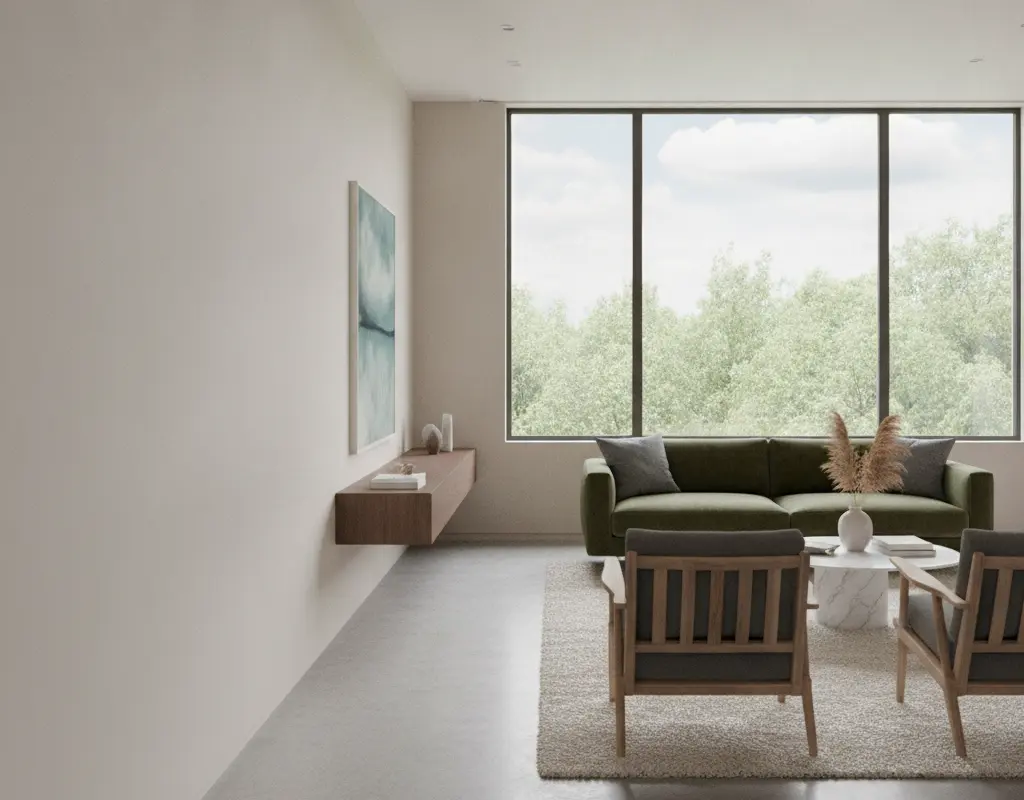
Conclusion
Arranging furniture in a long, narrow living room doesn’t have to be a daunting task. By moving beyond the instinct to push everything against the walls, establishing clear pathways, grounding your seating with a well-sized rug, and choosing lighter furniture pieces, you can dramatically improve your space.
These strategies work together to create an illusion of width and depth, making your living room feel more expansive and inviting. Embrace these design principles, and you’ll transform your challenging layout into a beautifully balanced and highly functional area you’ll love.


