Decorative Tray Styling Ideas: Elevated Surface Corrals
Are you looking to elevate your home decor and banish clutter from your surfaces? Mastering decorative tray styling ideas is an interior designer’s secret weapon. Trays aren’t just for serving; they are essential tools for creating intentional vignettes and adding a polished touch to any room.
From coffee tables to bedside stands, a well-styled tray transforms ordinary surfaces into curated displays. Let’s dive into the art of corralling your favorite pieces with style and purpose.
The Interior Designer Rule: “A Tray Anchors the Vignette”
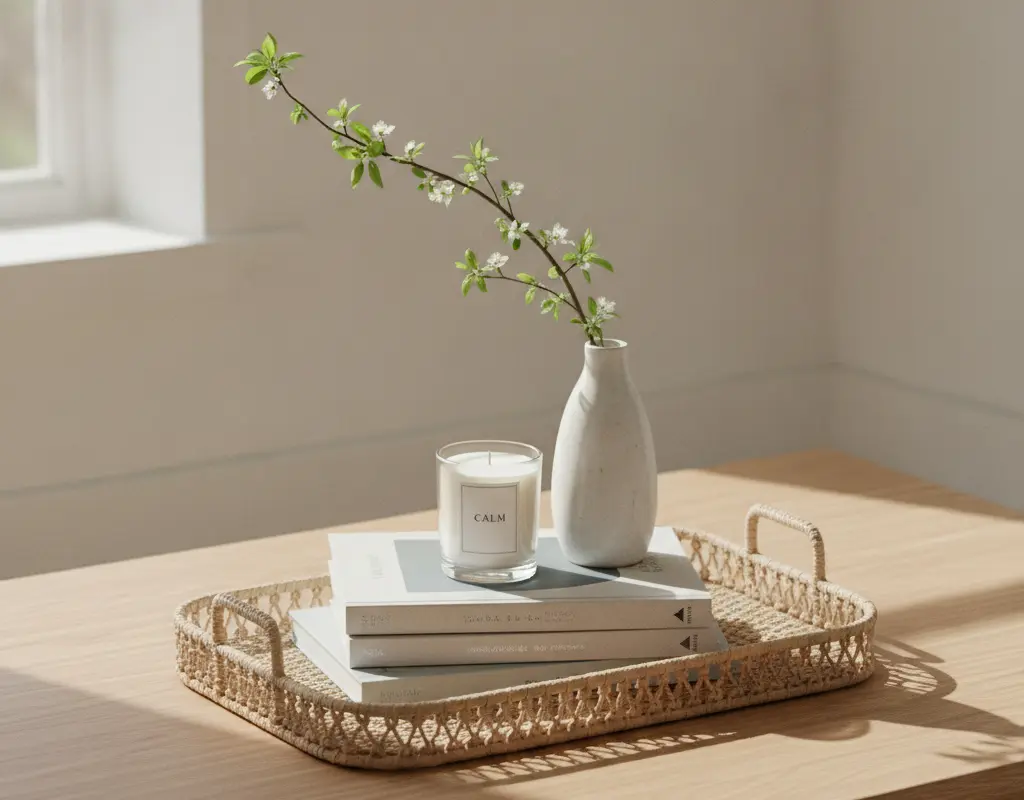
Interior designers universally agree: a tray is a powerful anchor. It defines a space on a larger surface, visually grouping disparate items into a cohesive unit. This simple trick prevents your decor from looking scattered and helps achieve that coveted “styled” aesthetic.
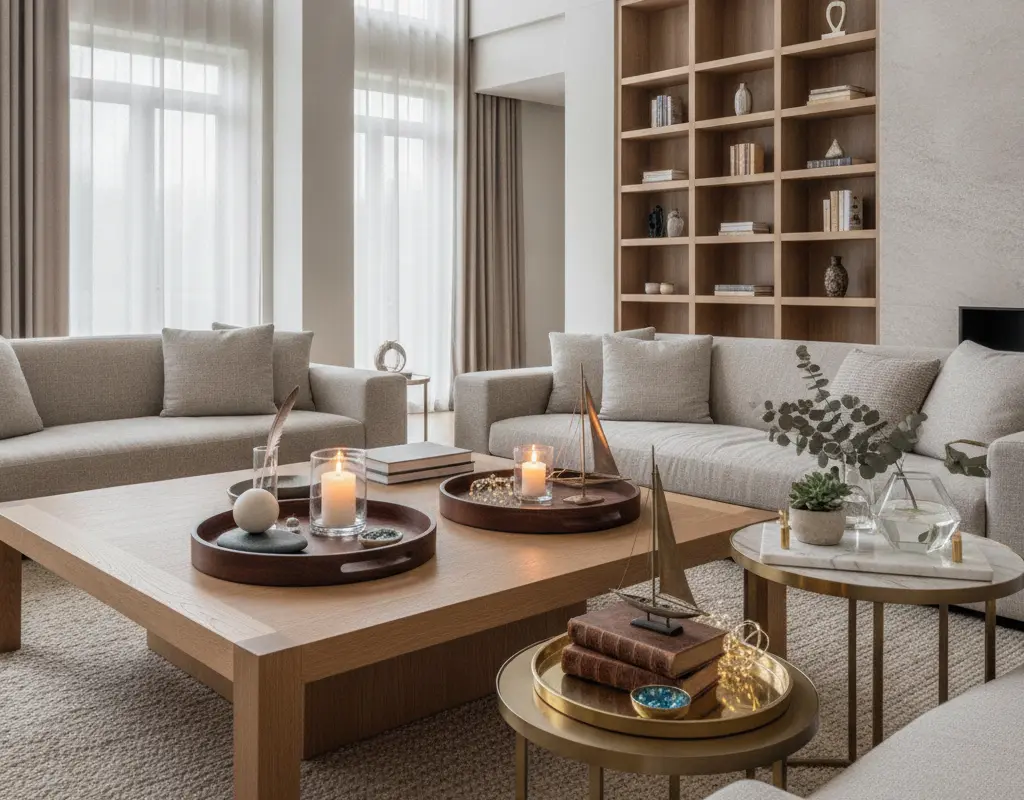
Think of it as creating a mini-stage for your favorite decor pieces. A tray provides boundaries, making even a small collection feel more significant and intentional. It’s especially useful when learning how to style a coffee table like an interior designer, where a central tray can instantly elevate the entire setup.
Choosing the Right Material: Solid Travertine, Scalloped Rattan, Brass
The material of your decorative tray sets the tone for your vignette. Consider your existing decor style. For a minimalist or organic modern vibe, a solid travertine or natural wood tray works beautifully. If you prefer a touch of texture and warmth, scalloped rattan or woven jute trays are excellent choices.
For a more classic or luxurious feel, brass, polished chrome, or mirrored trays add instant glamour. The material also influences the “feel” – a rough-hewn tray suggests rustic charm, while a sleek marble one speaks of sophistication. Understanding these nuances can help you decide between styles, much like distinguishing between Organic Modern vs Japandi aesthetics.
The Rule of Elements: Scent (Candle), Flora (Vase), Literature (Book)
To create a truly captivating display, follow the “rule of elements.” This involves incorporating items that engage different senses and add visual interest. A scented candle brings warmth and fragrance, a small vase with fresh or dried flora introduces life and texture, and a beautiful coffee table book adds intellectual curiosity and varying heights.
Other elements might include a unique decorative object, a small dish for trinkets, or even a personal memento. The key is balance and varying heights and textures. For more inspiration on creating organized, beautiful spaces, consider integrating multi-functional furniture pieces for small spaces that can house these trays.
- Scent: A luxurious candle or diffuser.
- Flora: A small plant, fresh flowers, or dried botanicals.
- Literature: A stylish coffee table book or magazine.
- Texture: A unique sculpture or a textured coaster.
Tray Scale Rules: Covering No More Than 1/3 of Table Surface
One common mistake in decorative tray styling is choosing the wrong size. A good rule of thumb is that your tray should cover no more than one-third of the surface it rests on. This ensures the tray enhances the table without overwhelming it, leaving ample space for functionality or other decor.
For instance, on a large coffee table, a substantial tray works well, but on a smaller side table, a compact design is more appropriate. Always measure your surface before committing to a tray. According to experts at The Spruce, proper scaling is crucial for achieving a balanced and aesthetically pleasing arrangement.
Creating Functional Catch-Alls on Entry Consoles and Dressers
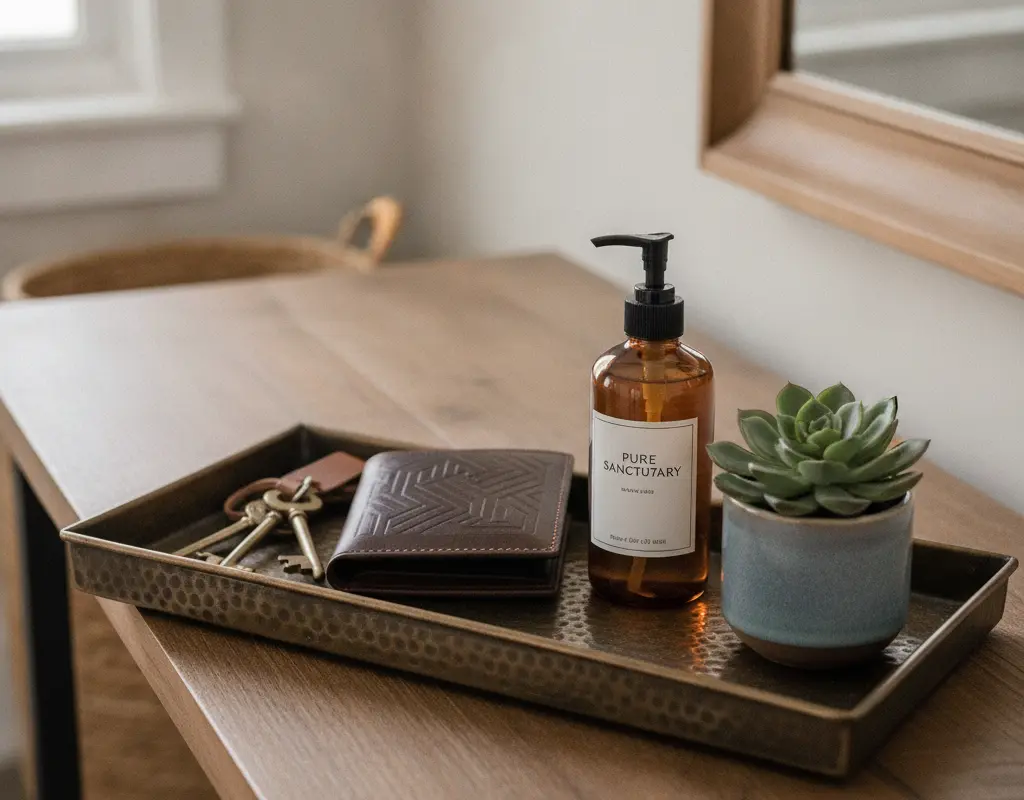
Decorative trays aren’t just for show; they excel at creating functional “drop zones.” On an entryway console, a tray becomes the perfect spot to corral keys, mail, or sunglasses, preventing everyday clutter. This is a brilliant strategy for developing small entryway ideas for apartments, making the most of limited space.
Similarly, on a dresser or nightstand, a tray can hold jewelry, a watch, or your phone, keeping essentials neatly contained. This dual functionality — beauty and utility — makes decorative trays an indispensable styling tool for any home.
Conclusion
Ultimately, decorative tray styling ideas are about creating order, intention, and beauty. By selecting the right material, curating a thoughtful collection of elements, and paying attention to scale, you can transform any flat surface into a captivating vignette. These versatile pieces are truly the secret to a polished, designer-approved home.
Embrace the power of the tray to anchor your decor, manage clutter, and express your personal style. Start experimenting with different arrangements and materials today, and watch your spaces come alive with curated elegance.