
How to Clean Vintage Brass: Restoring Antique Patina
There’s nothing quite like the warm, storied glow of vintage brass. Whether you’ve scored a treasure at a thrift store or inherited a family heirloom, knowing how to clean vintage brass properly is crucial. The goal isn’t always to achieve a mirror shine, but often to enhance its unique antique patina.
Many people shy away from tarnished brass, fearing harsh chemicals or irreversible damage. However, restoring these pieces can be surprisingly simple and incredibly rewarding. With the right techniques and a few common household items, you can bring your brass decor back to life.
Solid Brass vs. Brass-Plated Metal: The Magnet Test
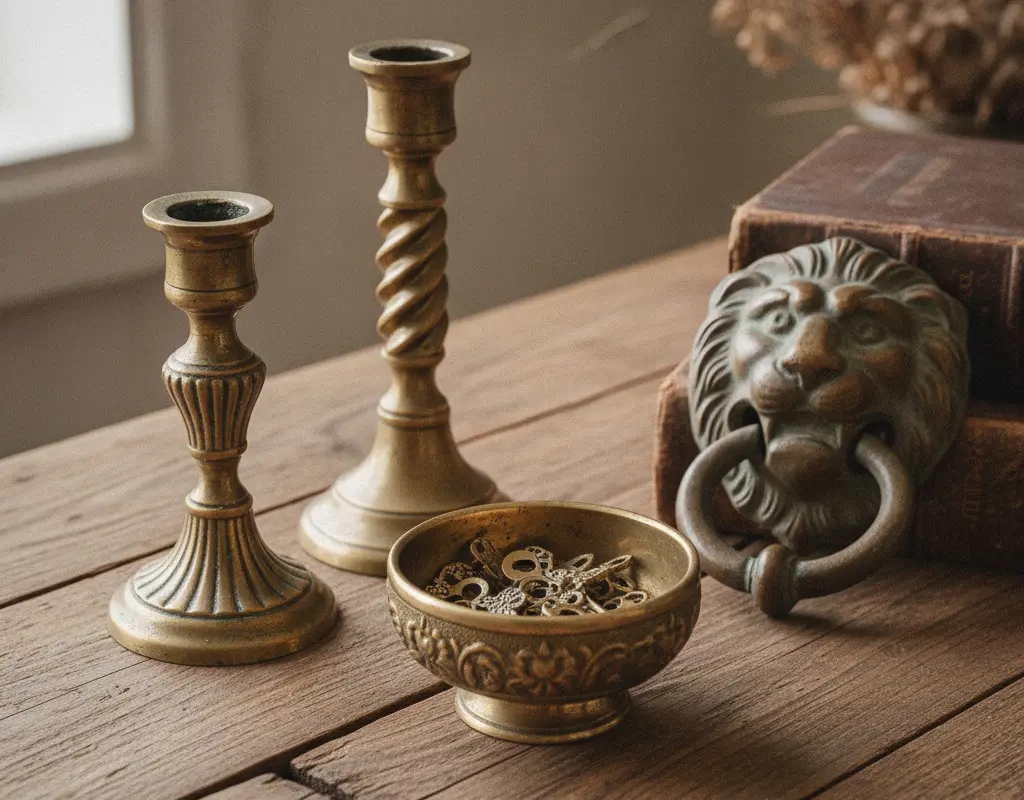
Before you begin cleaning, it’s essential to determine if your item is solid brass or merely brass-plated. This distinction impacts your cleaning approach. Solid brass is durable and can withstand more rigorous cleaning, while brass-plated items require a gentler touch to avoid stripping the thin brass layer.
A simple magnet test will reveal the truth: if a magnet sticks, your item is brass-plated over a ferrous metal. If it doesn’t stick, congratulations—you have solid brass! This knowledge is your first step towards successful restoration.
Natural Lemon and Baking Soda Pastes for Gentle Polishing
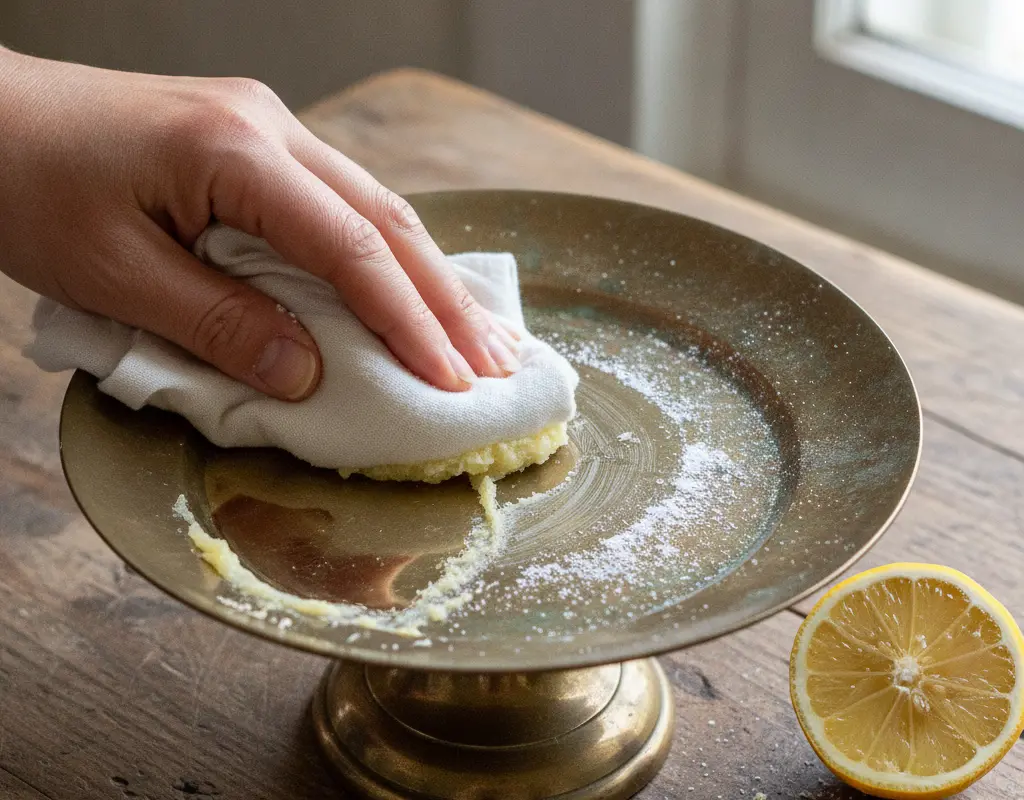
For solid brass with light to moderate tarnish, natural methods are often the best choice. A paste made from lemon juice and baking soda works wonders. The mild acidity of lemon combined with the gentle abrasive quality of baking soda creates a powerful, yet safe, cleaning solution.
Simply mix equal parts lemon juice and baking soda to form a thick paste. Apply it to your brass item with a soft cloth, let it sit for a few minutes, then gently rub in circular motions. Rinse thoroughly with warm water and buff dry with a clean cloth. This method is perfect for maintaining the integrity of your pieces, whether they are decorative accents for styling your coffee table or part of a DIY cane furniture hack project.
Using Bar Keepers Friend on Heavy Oxidized Tarnish
When faced with heavily oxidized or deeply tarnished solid brass, you might need a stronger solution. Bar Keepers Friend is a popular choice among enthusiasts for its effectiveness on tough stains without being overly abrasive. Its oxalic acid content helps dissolve tarnish without damaging the metal.
Always test Bar Keepers Friend on an inconspicuous area first. Apply a small amount to a damp cloth and gently rub the tarnished surface. Work in small sections, rinsing frequently to prevent the cleaner from drying on the brass. This product is especially useful for older pieces like vintage cabinet pulls or antique hardware you might consider when upgrading cabinet hardware.
Preserving Warm Antique Patina vs. High-Shine Mirror Finish
The beauty of vintage brass often lies in its unique patina—that rich, darkened layer that develops over time. When you clean vintage brass, you have a choice: preserve this warm, antique look or restore it to a bright, mirror-like gleam. Many collectors prefer to retain some of the patina, as it tells the story of the piece.
To preserve patina, focus on removing dirt and light tarnish rather than aggressively polishing. Gentle cleaners like the lemon and baking soda paste are ideal. For a high-shine finish, more robust polishing with specialized brass polish (after initial cleaning) will be necessary. Remember, the choice is entirely yours, depending on the aesthetic you desire for your unique finds, perhaps even for securely hanging heavy brass mirrors.
For additional insights into brass cleaning and care, you can consult Bob Vila’s comprehensive guide on brass cleaning, which offers further tips and techniques for various brass items.
Sealing Restored Brass Decor with Microcrystalline Wax
Once your brass is clean and polished to your desired finish, sealing it is a crucial step to prevent future tarnish and preserve its beauty. Microcrystalline wax is an excellent choice for this purpose. It creates a clear, protective barrier that guards against oxidation without altering the brass’s appearance.
Apply a thin, even coat of microcrystalline wax with a soft cloth, allowing it to dry slightly before buffing to a gentle sheen. This simple step will keep your restored vintage brass looking its best for years to come. It’s a small effort that yields significant, long-lasting results for all your cherished brass decor.
Conclusion
Mastering how to clean vintage brass allows you to breathe new life into cherished pieces, transforming them from dull and tarnished to radiant and elegant. By understanding the difference between solid and plated brass, choosing the right cleaning agents, and deciding on your desired finish, you gain control over the restoration process.
Whether you opt for a subtle refresh that highlights the antique patina or a thorough polish for a brilliant shine, proper care ensures your vintage brass continues to add timeless charm to your home. Embrace the journey of restoration and enjoy the enduring beauty of your unique brass treasures.


