
How to Thrift Art for a Gallery Wall: Finding Real Treasures
Transforming your living space with unique, high-end decor doesn’t require a hefty budget. Learning how to thrift art for a gallery wall is your secret weapon for creating a personalized, sophisticated look without breaking the bank. This guide will empower you to unearth hidden gems and curate a collection that truly reflects your style.
Imagine a stunning display of curated art, each piece telling a story, all acquired for a fraction of retail price. Thrifting art allows for an eclectic mix of styles, mediums, and eras, resulting in a dynamic and deeply personal statement piece for any room.
Scouting Thrift Stores: Looking Past Ugly Mats and Dirty Glass
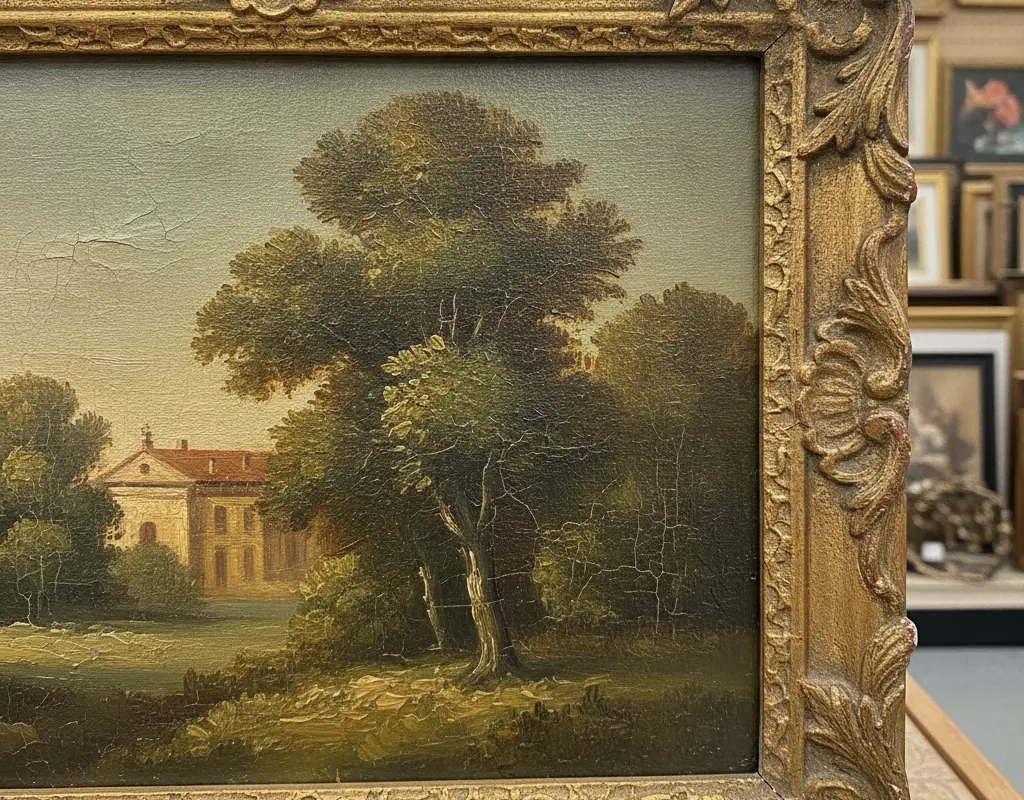
When you’re learning how to thrift art for a gallery wall, the first step is to master the hunt. Don’t be deterred by dusty frames, discolored mats, or even a bit of grime on the glass. Many true treasures are hidden beneath these superficial layers. Look closely at the artwork itself, focusing on brushstrokes, color quality, and the artist’s signature.
Always check the back of the frame for labels, dates, or additional artist information. Sometimes, a simple cleaning and a fresh mat can completely transform a piece. Remember, you’re not just buying art; you’re investing in potential. A well-placed, unique piece can dramatically enhance your space, much like strategic floor length mirror styling can double your room’s light and perceived size.
How to Identify Original Oil, Watercolor, and Woodblock Prints
Distinguishing between an original and a mass-produced print is key to finding real value. For oil paintings, feel the texture; you should notice raised brushstrokes. Look for a canvas stretched over a frame, not just a flat board. Watercolors often show subtle variations in pigment density and bleeding, indicating hand application on specialized paper.
Woodblock prints, or other relief prints, will typically have slightly indented lines where the paper was pressed against the block. Examine the edges for signs of a plate mark or deckled edges, common in fine art prints. Don’t overlook pieces without frames; sometimes, the best finds are unframed canvases or paper works that need a little love.
The Art of Frame Mixing: Pairing Ornate Gilt with Minimalist Wood
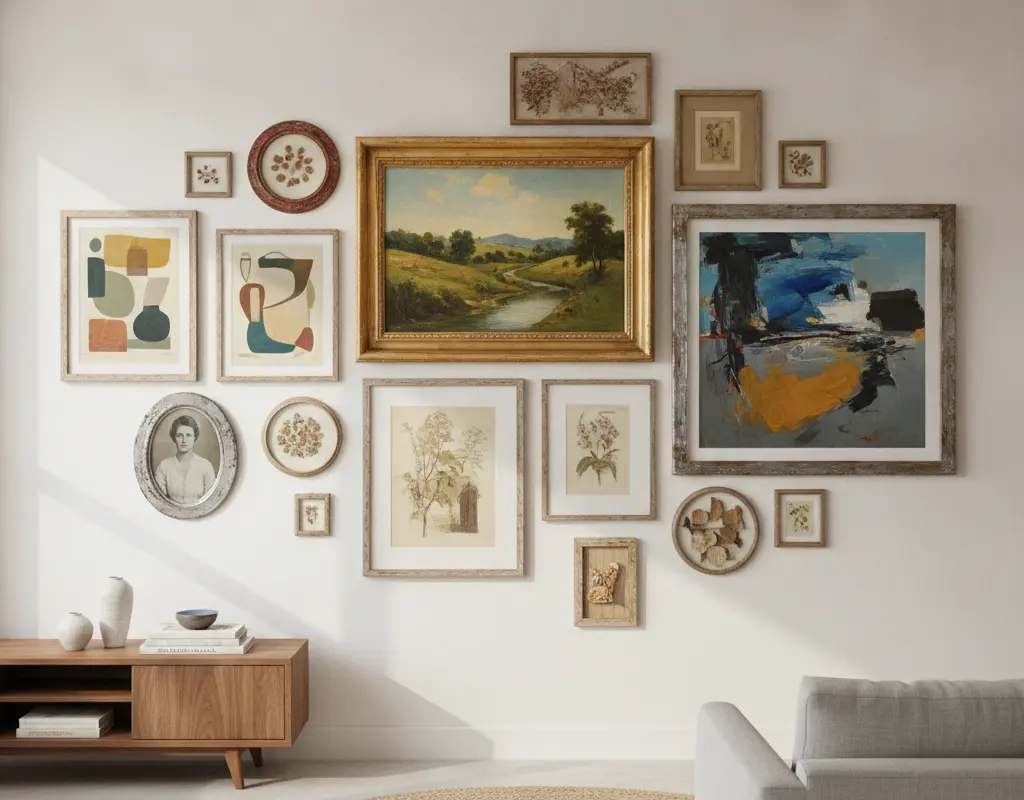
A truly captivating gallery wall embraces variety, especially in frames. Don’t shy away from mixing ornate gilt frames with sleek minimalist wood or even modern metal designs. This juxtaposition creates visual interest and depth, preventing your wall from looking too uniform or generic. The goal is an eclectic, curated feel.
Consider painting some frames to unify a color palette or to give an outdated frame a modern refresh. A simple matte black or crisp white can do wonders. Just as you might use a DIY textured canvas art piece to add dimension, varied frames add another layer of visual richness to your display.
Spacing and Layout Templates on the Floor Before Hanging
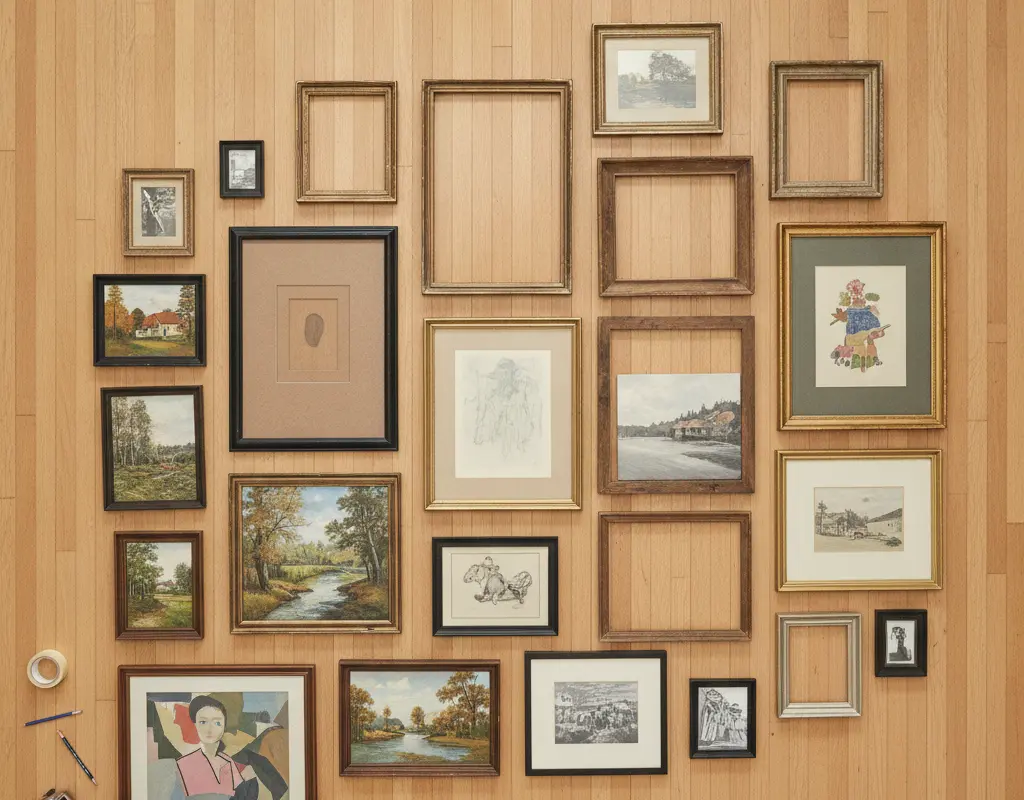
Before you commit to drilling holes, always lay out your entire gallery wall on the floor. This allows you to experiment with different arrangements and ensure proper spacing. Cut out paper templates the size of each frame and tape them to the wall to visualize the final composition. This step is crucial for achieving a balanced and aesthetically pleasing display.
Think about how the pieces interact with each other and the surrounding furniture. A well-planned gallery wall can define a space, much like strategically arranging living room furniture in long narrow apartments can optimize flow and function. For more insights on curating a cohesive display, delve into expert advice on how to curate a gallery wall.
Damage-Free Hanging with Interlocking Hook-and-Loop Strips
For renters or those hesitant to put holes in their walls, damage-free hanging solutions are a game-changer. Interlocking hook-and-loop strips (like Command Strips) are perfect for securing most thrifted art pieces without causing damage. Ensure you check the weight limits for each strip and use multiple strips for heavier frames.
These innovative solutions allow for easy adjustments and rearrangements, giving you flexibility without commitment. They offer the same peace of mind as no drill curtain rods, letting you personalize your space confidently. Always clean the wall surface thoroughly before application for maximum adhesion.
Conclusion
Mastering how to thrift art for a gallery wall is an incredibly rewarding endeavor. It’s a sustainable way to decorate, reduces waste, and allows you to infuse your home with unique personality and history. Each piece you find tells a story, making your gallery wall a true conversation starter.
Embrace the hunt, trust your eye, and don’t be afraid to mix and match. With a little patience and creativity, you can transform your walls into a stunning, high-end art display that looks far more expensive than it actually was.


