Use Negative Space in Interior Design to Feel Wealthy
In the world of high-end design, true luxury isn’t about what you add, but what you thoughtfully leave out. Mastering the art of negative space in interior design is your secret weapon to transform any apartment into a curated, expensive, and serene sanctuary. This isn’t about stark emptiness; it’s about intentional breathing room that elevates every piece you own.
Imagine walking into a space that feels expansive and effortlessly chic, rather than cluttered and overwhelming. By strategically utilizing negative space, you create visual pauses that allow your eye to rest, highlighting the beauty of your chosen decor and making your home feel instantly wealthier. Let’s unlock this powerful design principle.
The Difference Between “Empty” Space and “Intentional” Space
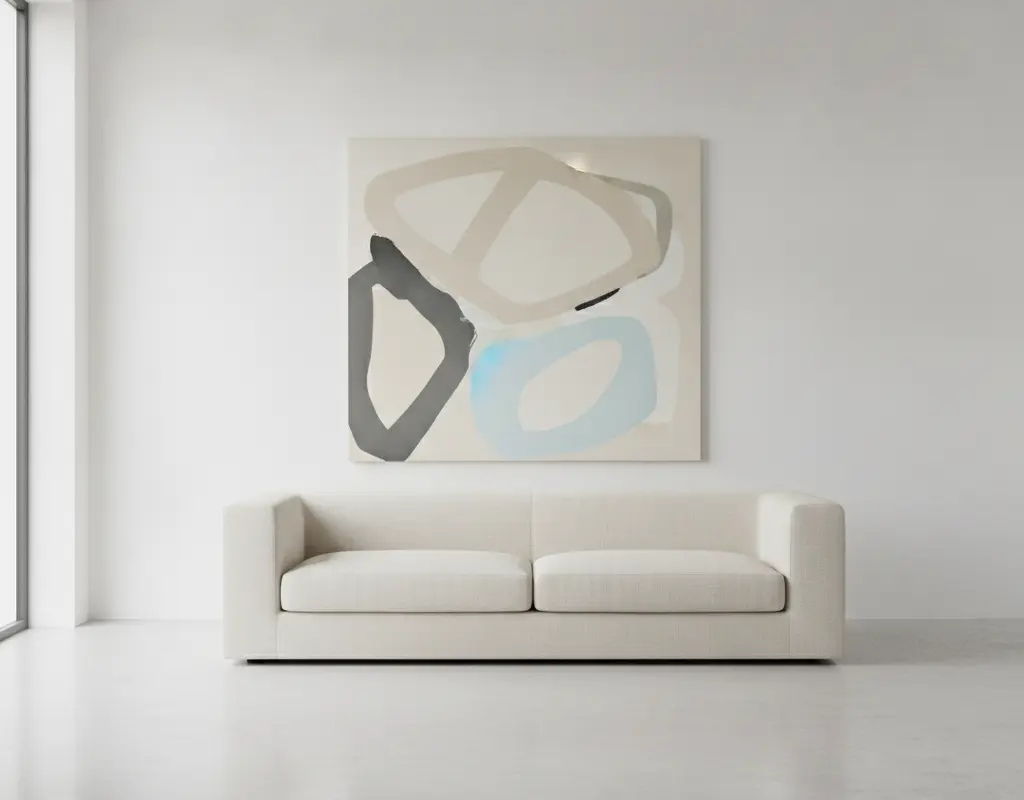
Many people confuse “empty” with “negative space.” Empty space often feels accidental, like something is missing or you just haven’t gotten around to decorating yet. Conversely, intentional negative space is a deliberate design choice. It’s the carefully considered white space around an object, the clear wall next to a statement piece, or the open floor area that allows a room to flow seamlessly.
This purposeful void isn’t a lack of design; it’s a testament to refined taste. It signals confidence and an understanding that less can indeed be more. When you embrace intentional negative space, your apartment transcends mere decoration and becomes a thoughtfully composed environment.
The Visual Pause: Why Cramming Every Wall Lowers Perceived Value
Think of negative space as a visual pause, much like silence in music. Without it, everything blends into a chaotic noise. When every wall is adorned, every surface is covered, and every corner is filled, your eye has nowhere to rest. This visual overload creates a sense of cheapness, making your space feel smaller and less sophisticated.
High-end interiors consistently employ generous negative space to emphasize quality over quantity. Allowing walls to breathe or creating clear pathways instantly communicates a sense of calm and spaciousness, directly correlating with perceived value. This principle is often highlighted in articles discussing minimalist design principles, as noted by Architectural Digest’s insights into creating serene, uncluttered spaces.
Editing Bookshelves: The Golden 30% Empty Margin Rule
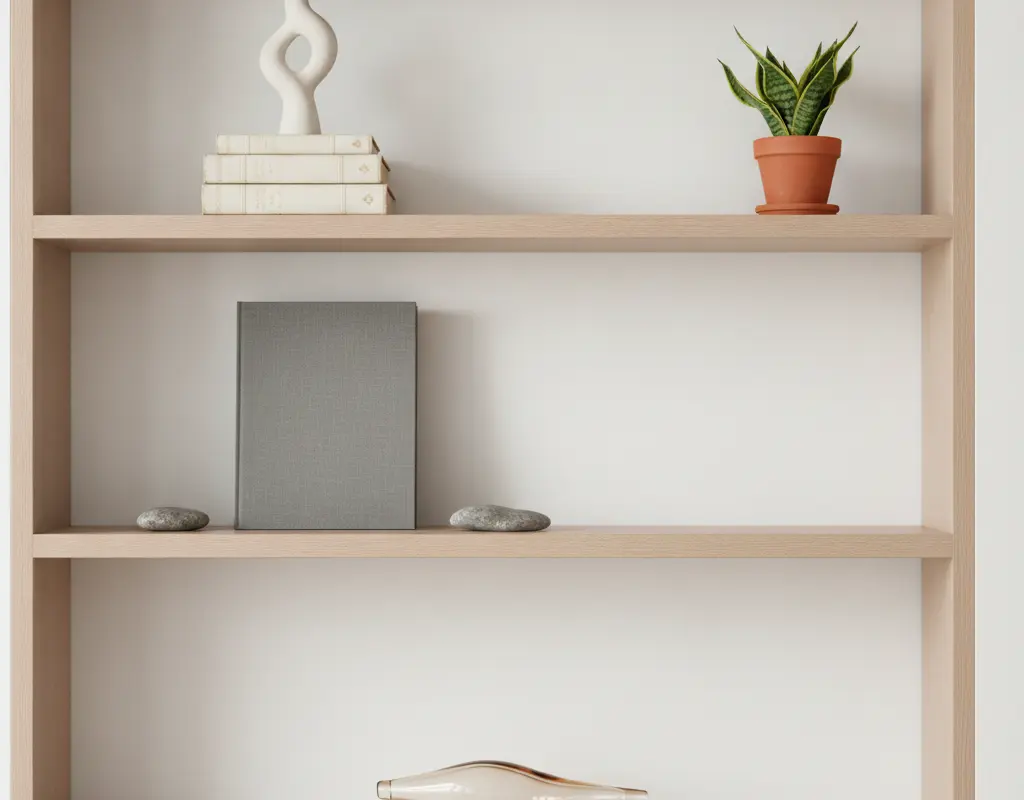
Bookshelves are notorious for becoming dumping grounds. To apply the power of negative space, adopt the “30% empty margin rule.” This means at least 30% of your shelf space should remain visibly clear. Instead of packing every single book or knick-knack, curate your collection.
Group items by color or size, intersperse books with sculptural objects, and leave ample space between groupings. This technique creates a gallery-like display, making your treasured items feel more significant and your entire room more polished. For similar principles on surface styling, consider how to style your coffee table like an interior designer.
Leaving Clean Sightlines Around Statement Furniture Pieces
A truly impactful piece of furniture—be it a striking armchair, a unique console, or a beautiful dining table—deserves to be seen without competition. Surround your statement pieces with clear sightlines. Avoid placing too many small items around them that distract the eye. This allows the piece to command attention and become a focal point, rather than just another item in a crowded room.
Consider the flow of your space. Do you have clear paths? Are major furniture pieces isolated enough to stand out? This is especially crucial in smaller living areas. For instance, creating clear zones and minimizing clutter is key when learning how to arrange living room furniture in long narrow apartments, where every inch counts.
The One-In-One-Out Rule for Ongoing Apartment Decor Curation
Maintaining a sense of intentional negative space requires ongoing effort. Implement the “one-in-one-out” rule: for every new decor item you bring into your apartment, one existing item must go. This disciplined approach prevents clutter from accumulating and ensures your space remains intentionally edited. It encourages mindful purchasing and a continuous curation process.
Embracing this rule helps you make deliberate choices about what truly adds value and beauty to your home, preventing the visual noise that detracts from a luxurious aesthetic. Think about how multi-functional furniture pieces for small spaces can help reduce the overall number of items you need, freeing up valuable negative space.
- **Declutter regularly:** Schedule monthly or quarterly decluttering sessions.
- **Embrace vertical storage:** Utilize walls to free up floor and surface space. Explore vertical storage ideas for high-end small apartments to keep your apartment looking sleek.
- **Choose fewer, higher-quality items:** Invest in pieces that truly speak to you and can stand alone.
Conclusion
Ultimately, incorporating negative space in interior design isn’t just a trend; it’s a timeless principle of sophisticated living. It’s about creating an atmosphere of calm, clarity, and understated elegance that truly feels wealthy. By embracing intentional voids, editing ruthlessly, and allowing your key pieces to shine, you elevate your apartment from merely decorated to truly designed.
Start by identifying areas in your home that feel “busy” and challenge yourself to remove one or two items. Observe the immediate difference. You’ll quickly discover that the most impactful design often lies not in what you fill, but in the beautiful, intentional spaces you create.