DIY Textured Canvas Art: Plaster Wall Art Under $30
The desire for unique, modern home decor doesn’t have to break the bank. You can create stunning, gallery-worthy pieces right in your own home. This guide will show you how to master DIY textured canvas art, transforming simple materials into captivating plaster wall art for under $30. It’s an incredibly satisfying project that adds significant character to any space.
Forget expensive gallery prices! Our step-by-step tutorial demystifies the process, making it accessible for everyone. We’ll cover everything from selecting the right materials to crafting bespoke frames. Get ready to unleash your inner artist and design a focal point that truly reflects your style.
Joint Compound vs. Modeling Paste: What Works Best?
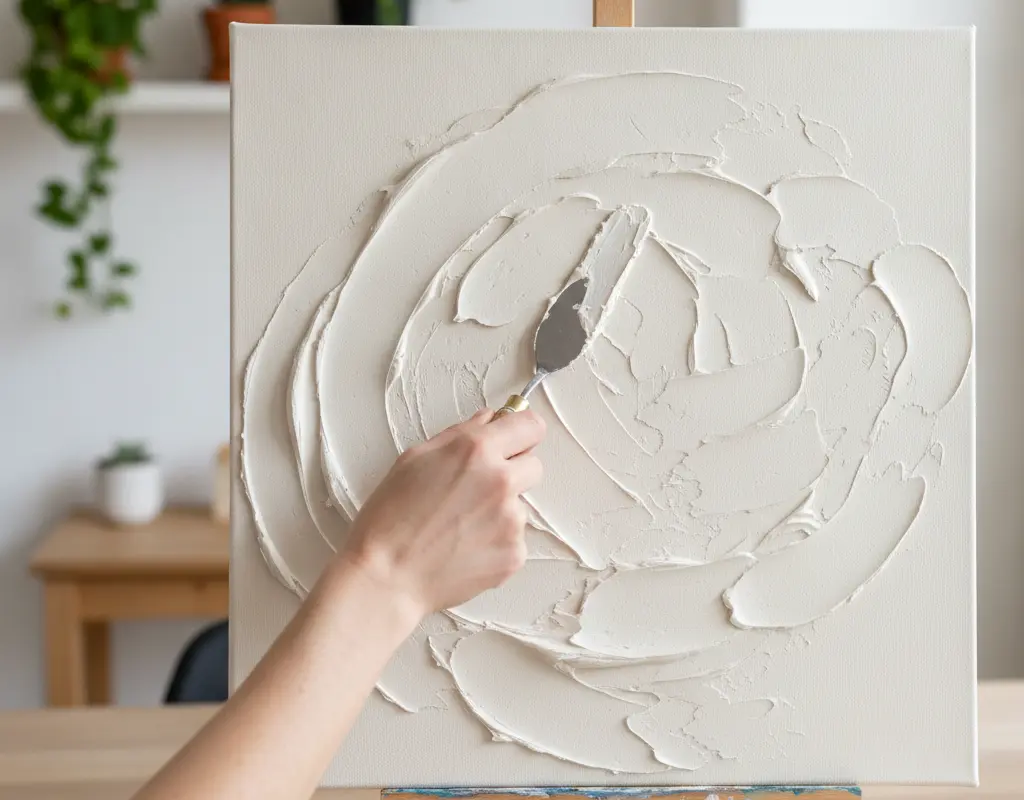
When embarking on your DIY textured canvas art journey, choosing the right medium is crucial. Many artists gravitate towards modeling paste for its fine texture and flexibility. However, for large-scale, budget-friendly projects, joint compound (often found in the drywall aisle) emerges as the clear winner. It’s significantly more affordable and offers a wonderful, buildable texture.
Joint compound provides excellent adhesion and dries to a hard, durable finish. While it might be slightly less flexible than modeling paste, its cost-effectiveness allows for much larger pieces without a hefty price tag. For a detailed look at working with joint compound, resources like This Old House’s guide on joint compound offer valuable insights into its properties and application. This material is truly versatile for creating large-scale, impactful pieces.
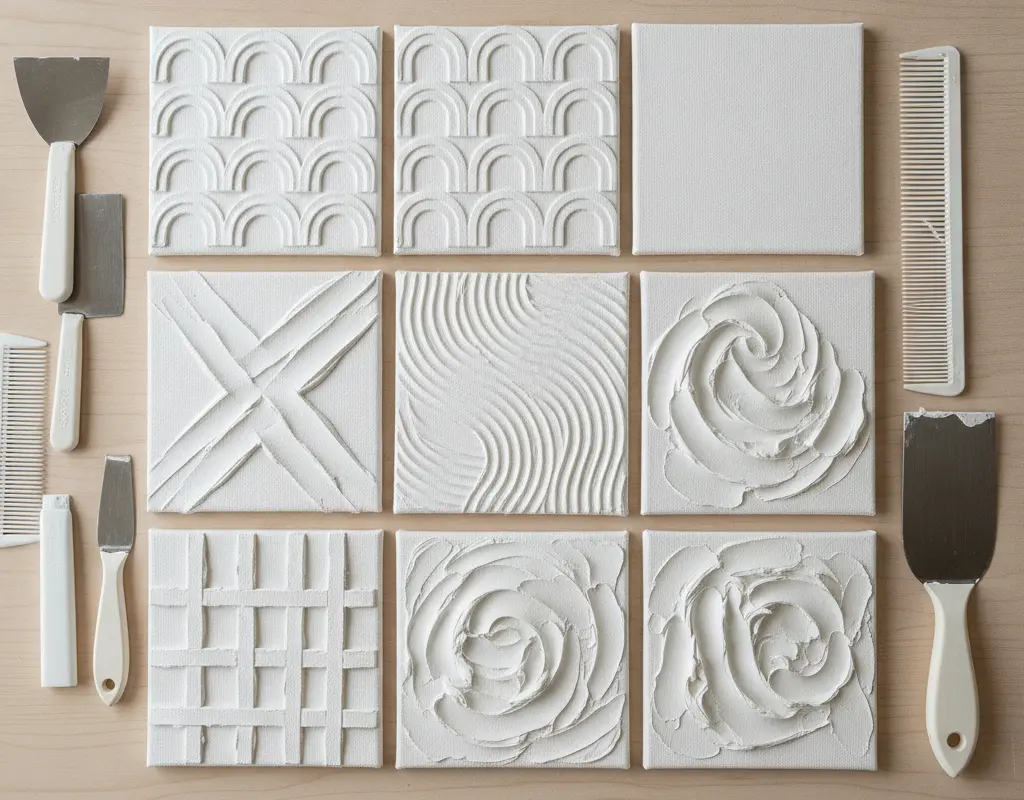
Creating Modern Patterns (Arches, Wave Combs, Organic Knifes)
The magic of textured art lies in its versatility. You can achieve a vast array of modern patterns using simple tools, transforming plain surfaces into captivating focal points.
- Arches: Use a semi-circular template or even a plate to gently scrape away areas, creating elegant, repeating arch patterns. This minimalist approach adds a sophisticated touch.
- Wave Combs: Employ a notched trowel or a homemade comb to drag through the wet compound, producing rhythmic, flowing wave textures. These organic forms bring movement to your piece.
- Organic Knifes: Experiment with various palette knives and spatulas. Swirl, dab, and drag the compound to create unique, abstract, and organic textures that evoke a sense of natural movement.
Don’t be afraid to experiment! The beauty of this art form is its forgiving nature. If you don’t like a texture, simply smooth it out and try again while the compound is still wet. For inspiration on contemporary art styles, explore trends discussed by institutions like MoMA’s insights into modern art movements.
Preventing Cracking: Proper Drying and Layer Thickness
Cracking is a common concern with plaster-based art, but it’s easily preventable with proper technique. The key is patience and controlled drying. Avoid applying overly thick layers all at once. Instead, build up your texture in thinner, even layers, allowing each to dry partially before adding more.
Ensure your artwork dries in a stable environment, away from direct heat sources or extreme cold, which can cause rapid and uneven drying. A consistent room temperature is ideal. Proper preparation and technique are paramount for longevity.
Tinting Plaster with Acrylic Paints & Earth Tones
While white textured art is stunningly minimalist, adding color can elevate your piece. You can easily tint joint compound with acrylic paints. Start with a small amount of paint and gradually mix it into a batch of joint compound until you achieve your desired hue. Earth tones like terracotta, sage green, warm beige, or charcoal gray work exceptionally well, adding warmth and sophistication.
Remember, the color will appear slightly lighter when wet and may deepen slightly as it dries. Always mix enough tinted compound for your entire project to ensure color consistency. For best results, use high-quality acrylics that offer good pigment concentration.
Building a Custom DIY Oak Floater Frame for $10
A custom frame can transform your DIY textured canvas art into a professional-looking masterpiece. Floater frames create a subtle shadow gap around the canvas, making the artwork appear to “float” within the frame. Building one from inexpensive oak furring strips or common lumber is surprisingly simple and cost-effective, often achievable for around $10 in materials.
- Oak furring strips (or similar wood)
- Wood glue
- Miter saw (or miter box and hand saw)
- Clamps
- Small nails or brad gun
- Sandpaper and wood finish
Measure your canvas precisely, then cut four pieces of wood for the frame sides, adding a small allowance for the “float” gap. Assemble with glue and nails, sand smooth, and apply a natural wood finish to highlight the grain. This simple addition dramatically enhances the perceived value of your artwork. For detailed woodworking tips, resources like Family Handyman’s woodworking tips for beginners can provide valuable guidance.
Creating your own DIY textured canvas art is a rewarding project that combines artistic expression with practical home decor. With just a few affordable materials and a willingness to experiment, you can produce stunning, large-scale plaster wall art that rivals gallery pieces. This process empowers you to personalize your living space with unique, handmade elements.
Embrace the creative freedom that comes with this craft. From selecting your textures to tinting your plaster and even building a custom frame, each step offers an opportunity to infuse your personality into the artwork. Start your project today and enjoy the satisfaction of transforming a blank canvas into a bespoke statement piece.