How to Clean Acrylic Furniture Without Clouding or Scratches
Acrylic and Lucite furniture pieces bring an unparalleled sense of lightness and modern elegance to any space. Their transparent nature makes small rooms feel larger, reflecting light and creating an airy aesthetic. However, maintaining that pristine clarity requires a specific approach. Learning how to clean acrylic furniture properly is crucial to prevent the dreaded clouding and unsightly micro-scratches that can diminish its high-end appeal.
Many common cleaning products, while effective on glass, can be disastrous for acrylic, leading to irreversible damage. This guide will walk you through the essential steps and specialized products needed to keep your acrylic and Lucite pieces looking flawless, ensuring they remain stunning focal points in your home.
Why Acrylic & Lucite Pieces Expand Perceived Space in Small Rooms
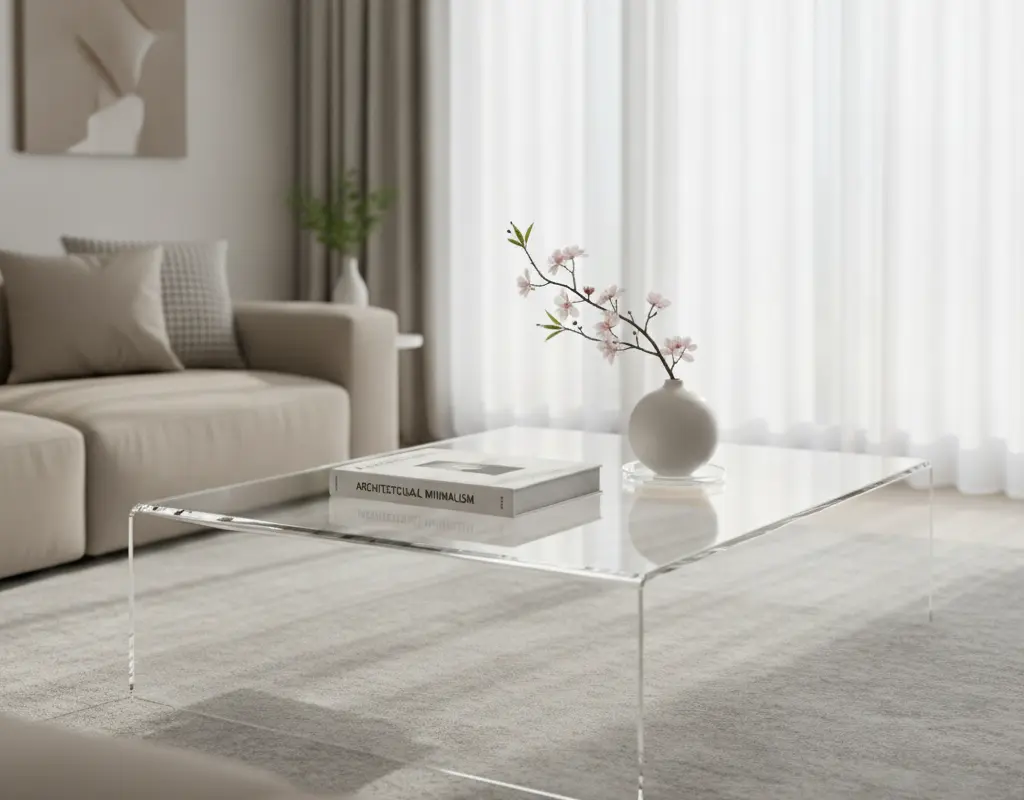
The magic of acrylic and Lucite lies in their transparency. Unlike opaque furniture that can block sightlines and make a room feel cramped, these clear pieces allow light to pass through them, visually expanding the space. This is particularly beneficial in long narrow apartments or compact living areas where every inch counts. They offer functionality without adding visual weight, making them a favorite for interior designers aiming for a minimalist, open aesthetic. Imagine a sleek waterfall coffee table or a ghost chair; they serve their purpose while seemingly disappearing into the decor, creating an illusion of more open space.
The Fatal Mistake: Never Use Windex or Ammonia Cleaners
This is perhaps the most critical rule when learning how to clean acrylic furniture: absolutely avoid cleaners containing ammonia, alcohol, or harsh abrasives. Products like Windex, common glass cleaners, and even some all-purpose sprays contain chemicals that will react with acrylic, causing it to become cloudy, brittle, and eventually crack. These chemicals break down the plastic’s structure, leading to permanent hazing and a dull finish. Always check the ingredient list before applying any cleaner to your precious acrylic items.
Safe Routine Dusting with Microfiber and Warm Water
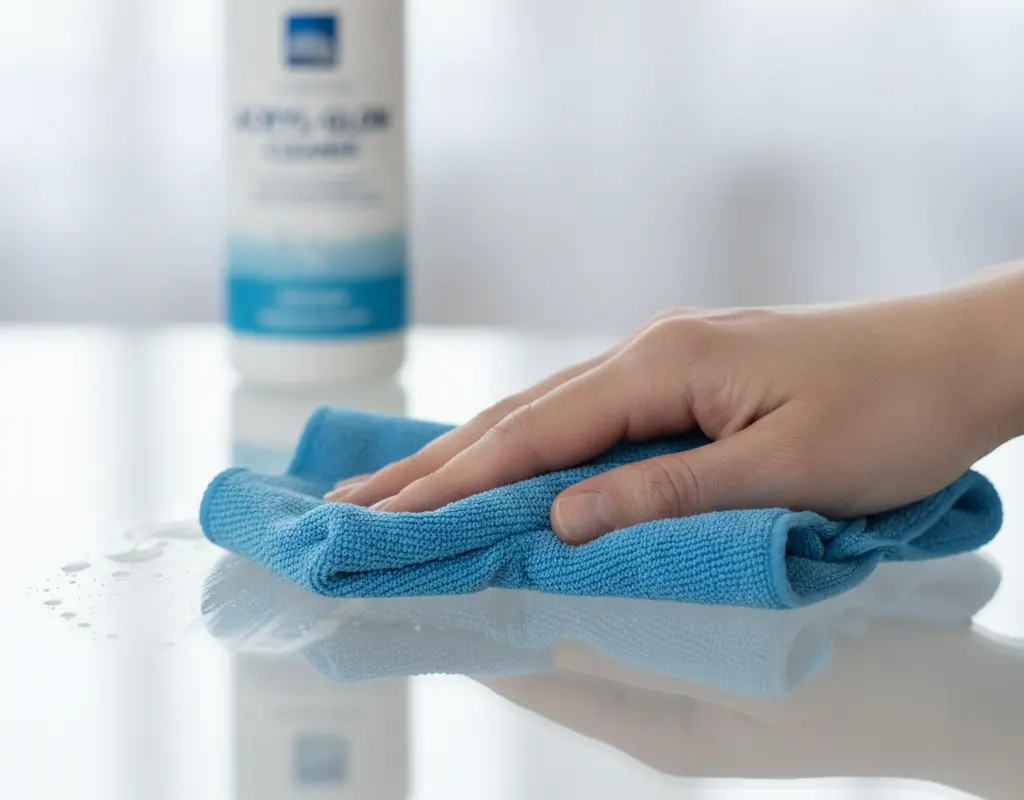
For daily maintenance and light dusting, simplicity is key. Start by gently blowing off any loose dust particles to prevent scratching. Then, use a soft, lint-free microfiber cloth dampened with plain warm water. Wipe the surface gently in straight lines, rather than circles, to avoid creating swirl marks. For slightly more stubborn smudges, a mild solution of dish soap and warm water can be effective. Rinse thoroughly with a clean, damp cloth and then immediately buff dry with a separate, dry microfiber cloth to prevent water spots. This gentle method protects the surface while effectively removing grime, as recommended by cleaning experts like The Spruce in their guide on how to clean acrylic and Lucite.
Removing Light Scratches with Novus Plastic Polish Systems
Even with the best care, minor scratches can sometimes appear. Fortunately, specialized products exist to address these imperfections. The Novus Plastic Polish System is highly regarded for its ability to restore scratched acrylic surfaces. It typically involves a three-step process: Novus No. 3 for heavy scratches, Novus No. 2 for fine scratches and haziness, and Novus No. 1 for cleaning and polishing. Always follow the manufacturer’s instructions carefully, using a clean, soft cloth for application and buffing. This system can dramatically improve the appearance of older or lightly damaged acrylic pieces, bringing back their original luster.
Anti-Static Treatments to Repel Airborne Dust Particles
Acrylic is naturally prone to static electricity, which acts like a magnet for dust and airborne particles. This means your beautifully cleaned surfaces can quickly attract new layers of dust. To combat this, consider using an anti-static cleaner specifically designed for plastics. Many acrylic cleaners double as anti-static agents, creating a protective barrier that repels dust and lint. Applying such a product after cleaning will keep your acrylic furniture cleaner for longer, reducing the frequency of dusting. This is a smart strategy for pieces that also serve as hidden storage ideas for small apartments, as keeping them pristine enhances their integration into the decor.
Conclusion
Mastering how to clean acrylic furniture without causing damage is a simple but vital skill for anyone owning these elegant pieces. By avoiding harsh chemicals, embracing gentle cleaning techniques, and utilizing specialized polishes and anti-static treatments, you can ensure your acrylic and Lucite items maintain their stunning clarity and modern appeal for years to come. Remember, a little knowledge goes a long way in preserving the beauty and longevity of your investment.
These transparent treasures are not just furniture; they are design elements that enhance light and space, making your home feel more open and sophisticated. With the right care, your acrylic pieces will continue to shine, effortlessly elevating your interior design. For more tips on maximizing space and style, explore ideas like multi-functional furniture pieces for small spaces.