
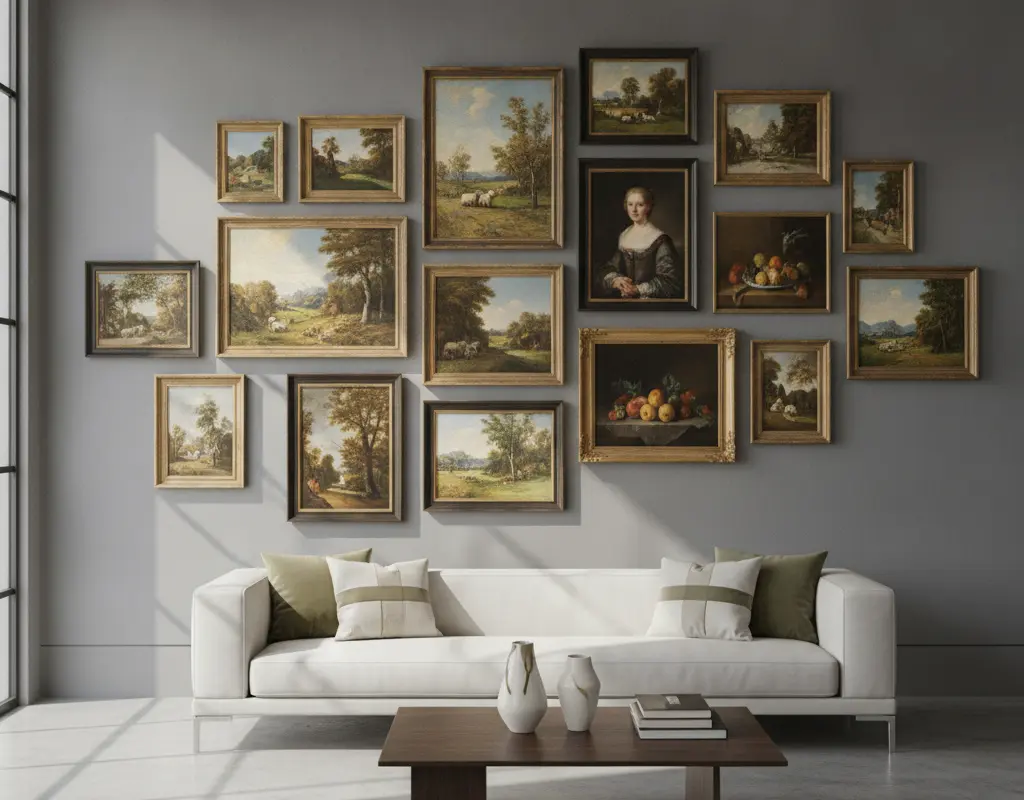
How to Source Vintage Oil Painting Prints on Public Domain
Transform your space with sophisticated, museum-quality art without breaking the bank. Learning how to source vintage oil painting prints from the public domain is a game-changer for budget-conscious decorators. These stunning pieces offer timeless elegance, adding character and a high-end feel to any room.
Imagine adorning your walls with masterpieces that once hung in grand galleries, now accessible for free. This guide will walk you through the simple steps to find, download, and bring these beautiful vintage oil painting prints into your home, enhancing your decor with art that tells a story.
What is Open Access Public Domain Art?
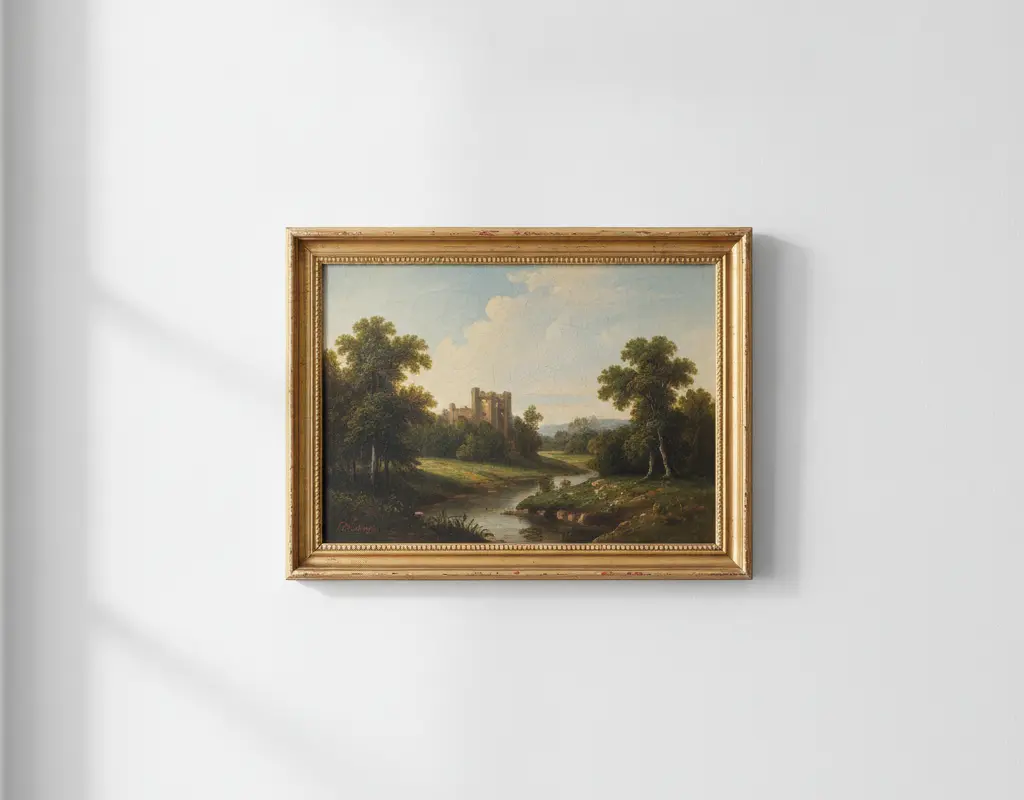
Open access public domain art refers to artworks whose copyrights have expired, making them free for anyone to use, share, and modify without permission or cost. This treasure trove includes countless vintage oil painting prints from renowned artists across centuries. Museums and cultural institutions worldwide have generously digitized their collections, providing high-resolution images for public enjoyment and creative projects.
Understanding public domain rights is crucial. Most art enters the public domain a certain number of years after the artist’s death, though specific rules vary by country. This means you can legally download and reproduce these images, turning them into your own decorative elements.
Top 4 Free High-Res Archives
Finding high-quality vintage oil painting prints begins with knowing where to look. Several world-class institutions offer vast open-access collections perfect for your decorating needs. The Metropolitan Museum of Art, for example, boasts over 400,000 public-domain images, ranging from classical portraits to breathtaking landscapes. Similarly, the Art Institute of Chicago provides thousands of high-resolution downloads, and the National Gallery of Art (NGA) in Washington D.C. offers a comprehensive collection of American and European art.
Another fantastic resource is the Rijksmuseum in Amsterdam, which also provides a substantial collection of Dutch Masters. When sourcing budget-friendly art, these free archives are invaluable, as noted by publications like Architectural Digest’s guide on sourcing budget art. These platforms allow you to search by artist, style, or period, making it easy to discover the perfect piece to complement your existing decor.
- The Metropolitan Museum of Art: Expansive collection, easy navigation.
- Art Institute of Chicago: High-quality images, diverse periods.
- National Gallery of Art (NGA): Strong on American and European works.
- Rijksmuseum: Rich in Dutch Golden Age paintings.
Sizing and Scaling Images Without Pixelation or Loss
Once you’ve found your ideal vintage oil painting prints, the next step is preparing them for printing. High-resolution files are key to avoiding pixelation, especially if you plan to create large-format pieces. Most museum archives provide images suitable for significant enlargements. For instance, if you’re planning a giant gallery wall, selecting the largest available file size is paramount.
Use image editing software (even free online tools) to crop, adjust colors, and ensure the aspect ratio fits your chosen frame. While scaling, always aim to maintain the original resolution as much as possible. If you need to significantly enlarge a lower-resolution image, consider using AI upscaling tools, which can intelligently add detail without introducing blur.
Selecting Textured Cotton Rag Paper for Authentic Brushstroke Feel
To truly elevate your vintage oil painting prints, the choice of printing medium is critical. Opt for a high-quality textured cotton rag paper. This type of paper has a subtle, tactile surface that mimics the canvas of an original oil painting, enhancing the illusion of brushstrokes and depth. The weight and feel of cotton rag paper also lend a luxurious, professional finish to your reproductions.
When selecting your paper, look for options specifically designed for fine art prints. These papers often have a matte finish, which reduces glare and helps the colors appear richer and more true to the original artwork. The right paper can make a digital print feel like a genuine piece of art, perfectly displayed on a beautifully styled bookshelf.
Adding Clear Acrylic Texture Gel Over Prints for Real Depth
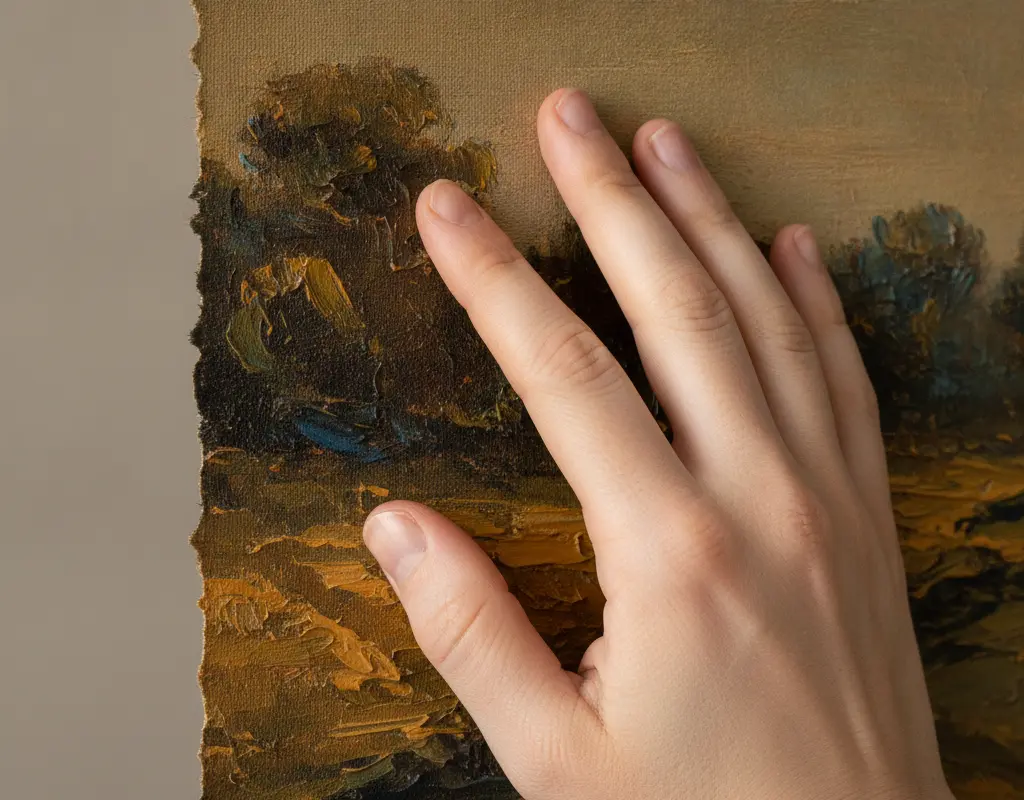
For the ultimate authentic touch, consider applying a clear acrylic texture gel to your finished prints. This technique adds actual three-dimensional brushstrokes, transforming a flat print into something with tangible depth and an uncanny resemblance to an original oil painting. It’s a simple DIY hack that yields impressive results.
Apply the gel sparingly with a brush, mimicking the direction of the original artist’s strokes. Allow it to dry completely, and you’ll have a framed piece that looks incredibly realistic. This method is particularly effective for enhancing the aesthetic of an Organic Modern style space, where natural textures and handcrafted elements are highly valued. These enhanced prints can truly anchor a room’s design, even influencing how you arrange your living room furniture.
Conclusion
Sourcing vintage oil painting prints from the public domain offers an incredible opportunity to infuse your home with high-end art without the prohibitive cost. By leveraging open-access museum archives, carefully preparing your images, and choosing the right printing materials, you can create stunning reproductions that look remarkably authentic.
Embrace this creative approach to decorating. With a little effort, you can curate a collection of timeless masterpieces, adding depth, history, and unparalleled elegance to your living space. Start exploring today and transform your walls into a gallery of your own making!


