How to Style a Bookshelf: High-End Interior Designer Principles
Are your bookshelves looking more like a storage unit than a curated display? Learning how to style a bookshelf with intention can transform your space from cluttered to chic. Forget the days of simply cramming every paperback you own onto a shelf. High-end interior designers understand that a bookshelf is a prime opportunity to showcase personality, art, and thoughtful design.
This guide will walk you through the principles used by professionals to create visually stunning and balanced displays. You’ll discover how to blend books with sculptural objects, incorporate negative space, and achieve that coveted gallery-like feel.
The 60-30-10 Rule: Books, Art Objects, and Negative Space
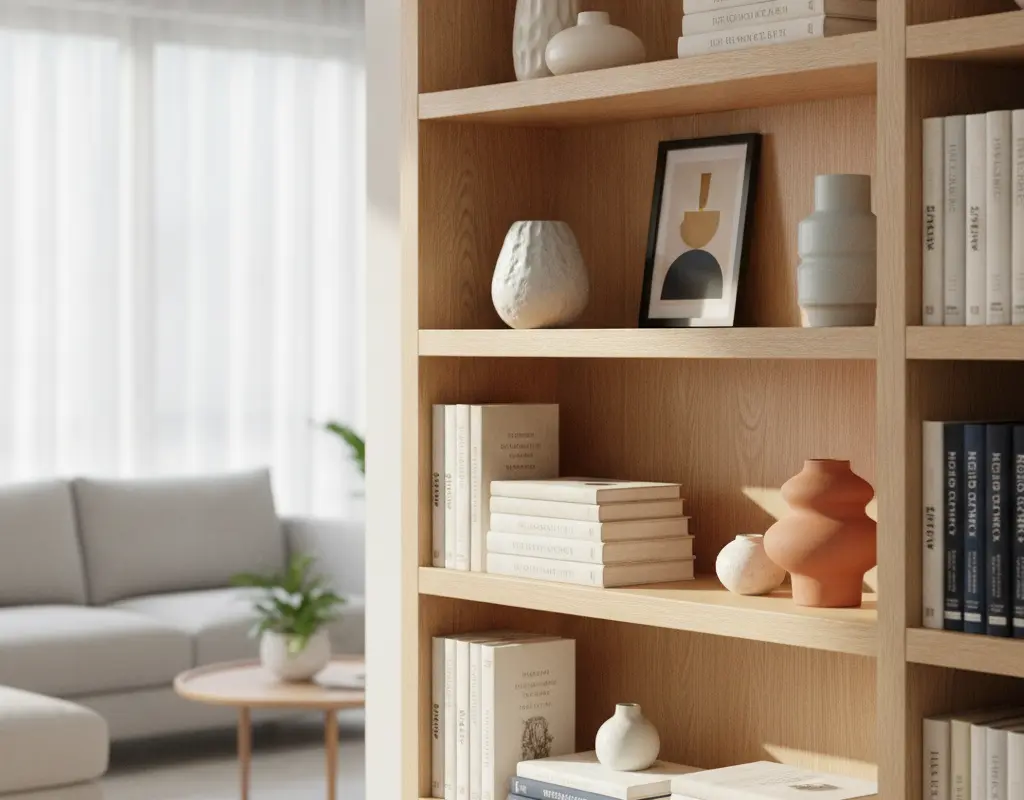
The secret to a beautifully balanced bookshelf often lies in the 60-30-10 rule. This guideline suggests dedicating roughly 60% of your shelf space to books, 30% to decorative objects, and 10% to negative space. This intentional use of empty space is crucial; it allows the eye to rest and prevents your display from feeling overwhelmingly busy. It’s a similar principle to how designers approach coffee table styling, ensuring each item has room to breathe and shine.
Embracing this rule helps create visual interest and a sophisticated aesthetic. For further inspiration, consider expert insights on the art of bookshelf styling, as shared by publications like Architectural Digest, which emphasizes thoughtful curation over mere accumulation.
Horizontal Stacks vs. Vertical Book Groupings
Varying the orientation of your books adds dynamic flow to your shelves. Instead of lining up every book vertically, try creating horizontal stacks. These stacks can serve as pedestals for smaller decorative items, adding height and dimension. Mix these horizontal groupings with traditional vertical arrangements to break up monotony and guide the eye across the shelves.
Think about the visual weight of each section. Taller, more substantial books often work best standing upright, while smaller paperbacks can be neatly stacked. This thoughtful arrangement also contributes to efficient vertical storage ideas, maximizing both aesthetics and utility in smaller spaces.
Curating Sculptural Objects: Ceramic Vases, Brass Bookends, Minerals
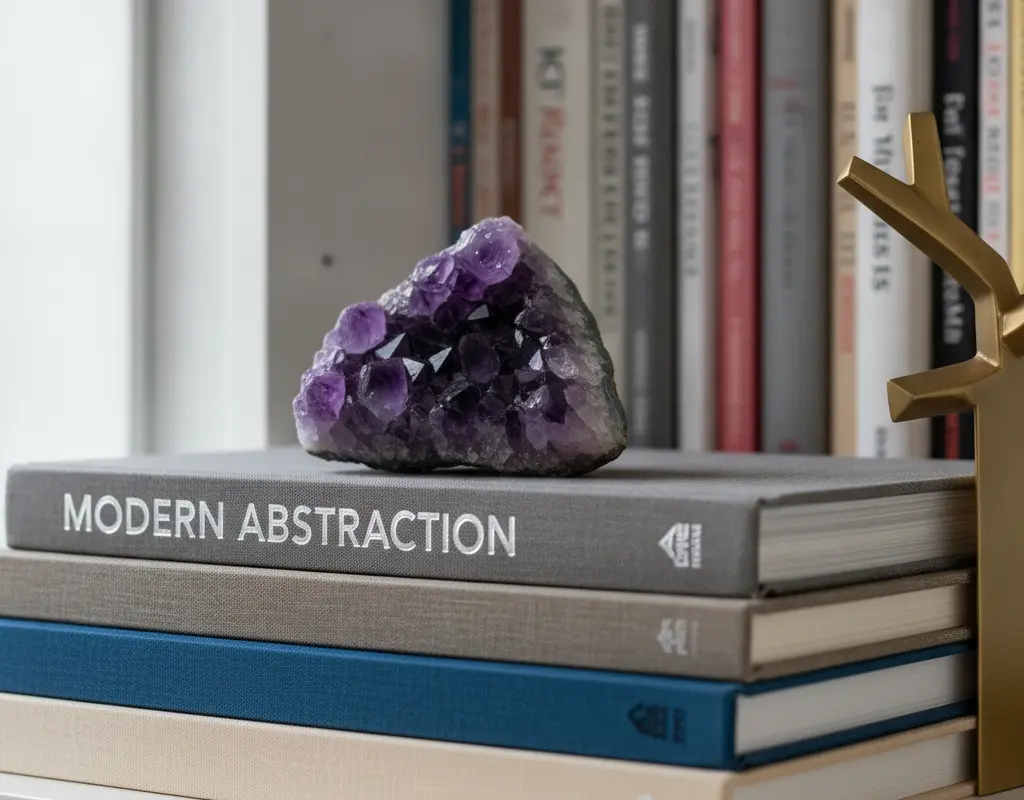
Bookshelves are the perfect stage for showcasing unique art objects. Look for items with interesting textures, shapes, and materials. Ceramic vases, brass bookends, natural minerals, or even small bowls can add a layer of sophistication. These pieces provide visual anchors and inject personality into your display.
Don’t be afraid to mix high-end finds with DIY creations. A beautifully crafted faux terracotta decor piece, for instance, can blend seamlessly with designer accessories, adding character without breaking the bank. Group objects in odd numbers (threes or fives) for a more organic and pleasing composition.
Layering Small Framed Art Prints on the Back of Shelves
To add depth and an art-gallery feel, try layering small framed art prints or photographs against the back of your shelves. This technique creates an interesting backdrop for your books and objects, making the display feel more intentional and multi-dimensional. Choose pieces that complement your overall color scheme or add a pop of contrasting color.
Consider creating your own unique pieces, such as DIY textured canvas art, to personalize your display further. These smaller artworks can be leaned against the back panel, tucked behind a vertical stack of books, or even placed on a horizontal stack.
Editing and Stepping Back: Balancing Weight Across All Tiers
The final, crucial step in styling a bookshelf is editing. Once you’ve placed everything, step back and assess the overall balance. Do the shelves feel too heavy on one side? Is there enough negative space? Remove anything that feels out of place or creates clutter. It’s better to have fewer, well-chosen items than a crowded, overwhelming display.
Continuously refine your arrangement until each shelf feels harmonious and visually appealing. Remember, a high-end bookshelf is a dynamic display that can evolve with your taste and collection over time.
Conclusion
Mastering how to style a bookshelf is an art form that elevates your home’s aesthetic. By applying principles like the 60-30-10 rule, varying book orientations, and carefully curating decorative objects, you can transform a simple storage unit into a sophisticated design statement. Remember to incorporate art, embrace negative space, and always step back to edit.
With these interior designer principles, your bookshelves will no longer just hold books; they’ll tell a story, reflect your style, and become a focal point of elegant design in your home.