How to Layer Curtains: The Hotel Suite Double-Drape Look
Ever walked into a high-end hotel suite and admired those impeccably dressed windows? That’s the magic of learning how to layer curtains. It’s not just about aesthetics; it’s a clever design trick that adds depth, functionality, and a serious dose of luxury to any room. Mastering the art of layering can transform your space from drab to fab, offering unparalleled light control and an elevated sense of style.
This guide will walk you through achieving that coveted double-drape look, ensuring your windows become a focal point of refined elegance. Get ready to elevate your home’s ambiance, one perfectly layered curtain at a time.
The Visual Impact of Multi-Layered Window Treatments
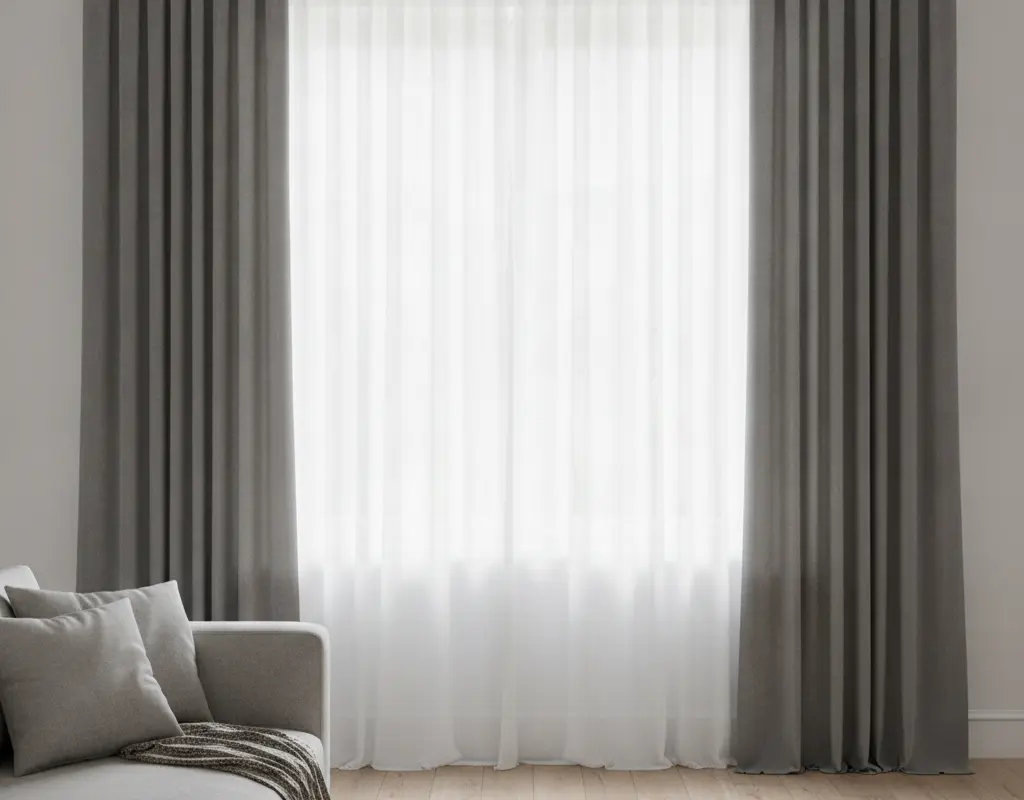
Layering curtains goes beyond simply hanging two sets of drapes. It creates a dynamic interplay of textures, colors, and light, adding significant visual interest to your windows. Think of it as dressing your windows in a sophisticated outfit: a delicate inner layer provides daytime privacy and diffused light, while a heavier outer layer offers insulation, light-blocking capabilities, and a dramatic finish.
This multi-layered approach also enhances acoustic properties, dampening outside noise for a more serene interior. Furthermore, it allows for incredible versatility, letting you adjust privacy and light levels throughout the day with ease.
Selecting Double Curtain Rods (No-Drill Bracket Adapters)
The foundation of any successful layered curtain setup is the right hardware. A double curtain rod is essential, featuring two parallel rods to accommodate both your sheer and opaque panels. These come in various styles and finishes, allowing you to match your existing decor seamlessly.
For renters or those avoiding wall damage, consider innovative solutions like no-drill curtain rods or bracket adapters. These clever alternatives provide the stability you need without leaving a trace, making a luxurious look accessible to everyone. Ensure your chosen rod extends wide enough to allow both curtain layers to open fully, framing your window beautifully.
Inner Layer: Voile or Textured Linen Sheers for Privacy
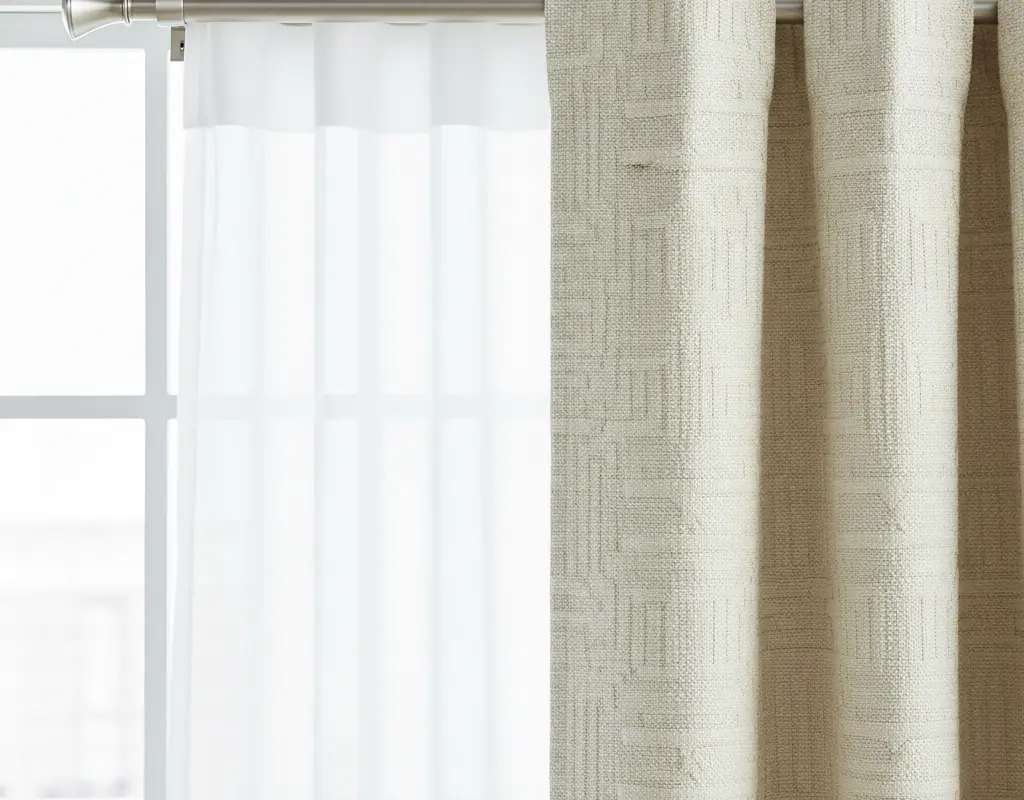
The inner layer is typically made of lightweight, translucent fabric like voile, linen, or a delicate sheer. Its primary role is to offer privacy during the day while still allowing natural light to filter gently into the room. These fabrics soften harsh sunlight, creating a warm and inviting glow.
When choosing your sheers, consider their texture. A textured linen, for instance, can add an organic, modern touch, while a smooth voile offers a crisp, clean aesthetic. This layer also contributes to the overall visual depth, providing a subtle backdrop for your heavier drapes. For more ideas on maintaining privacy without sacrificing style, check out solutions like chic balcony privacy screens, which address similar privacy concerns.
Outer Layer: Heavy Velvet or Woven Jacquard Light-Blockers
The outer layer is where you introduce drama, insulation, and full light control. Fabrics like heavy velvet, rich jacquard, or a densely woven blackout material are ideal choices. These drapes provide excellent thermal insulation, keeping your room warmer in winter and cooler in summer, and are perfect for blocking light for optimal sleep or movie watching.
When selecting your outer drapes, consider the color and pattern to complement your room’s palette. For a truly bespoke feel, learning how to DIY pinch pleat curtains can transform budget drapes into custom-look luxury. Proper length and fullness are crucial for achieving a polished finish.
Floor-Puddling vs. Half-Inch Floor Clearance Guidelines
The way your curtains meet the floor significantly impacts the overall aesthetic. There are two popular approaches:
- Floor-Puddling: This luxurious look involves drapes that are 2-6 inches longer than needed, allowing them to pool gracefully on the floor. It creates a romantic, opulent feel, often seen in grand spaces or hotel suites. This style works best with heavier fabrics like velvet or linen that hold their shape.
- Half-Inch Floor Clearance: For a crisp, tailored, and practical look, opt for drapes that just skim the floor, leaving about a half-inch gap. This prevents the fabric from gathering dust and makes opening and closing curtains smoother. It’s a cleaner, more contemporary choice suitable for high-traffic areas.
Whichever style you choose, ensure all your curtain panels are hemmed to the same precise length for a cohesive and professional appearance.
Conclusion
Layering curtains is a sophisticated design technique that instantly elevates any room, imparting that coveted hotel suite elegance. By combining the delicate functionality of sheer inner drapes with the dramatic presence of heavier outer panels, you create a dynamic window treatment that is both beautiful and highly practical.
From controlling light and enhancing privacy to adding rich texture and insulating your home, the benefits are undeniable. So, embrace the art of the double-drape and transform your windows into stunning focal points that exude luxury and comfort.