
How to Stack Coffee Table Books: The Height & Subject Matrix
Your coffee table is more than just a surface for drinks; it’s a prime piece of real estate for curated decor. Knowing how to stack coffee table books transforms them from mere reading material into intentional interior architecture. This strategic styling adds personality and visual weight to your living space, making it feel instantly more refined.
Indeed, well-placed books reflect your interests and elevate your design aesthetic. Forget haphazard piles; we’re diving into the art of creating balanced, beautiful stacks that captivate attention and enhance your home’s overall flow. Let’s explore the matrix of height, subject, and styling.
The Golden Stacking Rule: Largest Foundation to Smallest Top
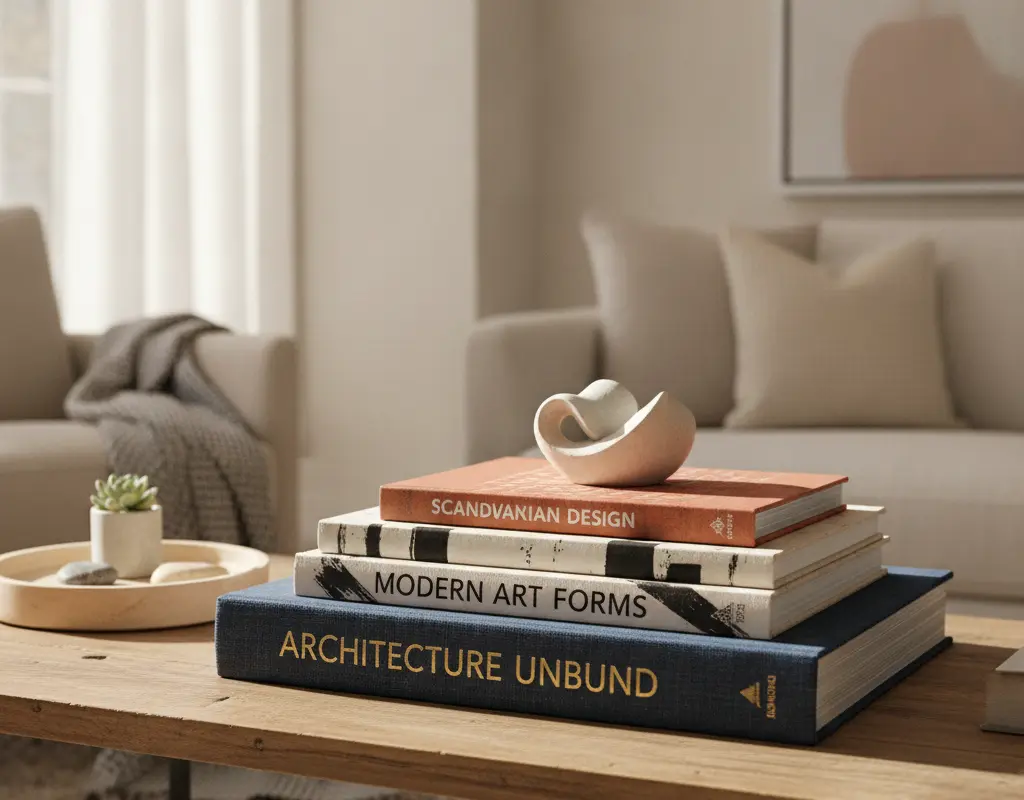
Achieving a visually pleasing stack begins with a fundamental principle: always place the largest book at the bottom. This creates a stable, grounded foundation, gradually tapering to the smallest book on top. This technique, often employed by interior designers, ensures your stack appears balanced and intentional rather than precarious.
For instance, start with an oversized art book, layer a medium-sized photography collection next, and finish with a slimmer volume or a small, intriguing read. This architectural approach not only looks better but also makes the books easier to access when you want to browse. Consider this a cornerstone for how to style a coffee table effectively.
Limiting Stacks to 2 or 3 Books to Avoid Heavy Clutter
While an abundance of beautiful books is a joy, too many in one stack can quickly lead to visual clutter. The sweet spot for an elegant coffee table book stack is typically two or three volumes. This number offers enough height and presence without overwhelming the surface or appearing too heavy.
More than three books can start to look like an unorganized pile, detracting from the curated aesthetic you’re aiming for. If you have an extensive collection, consider dispersing books into multiple smaller stacks across the table or incorporating them into styled bookshelves nearby. This also helps manage visual weight, contributing to a more serene environment.
Color Curation: Monochromatic Linen Spines vs. Bold Art Covers
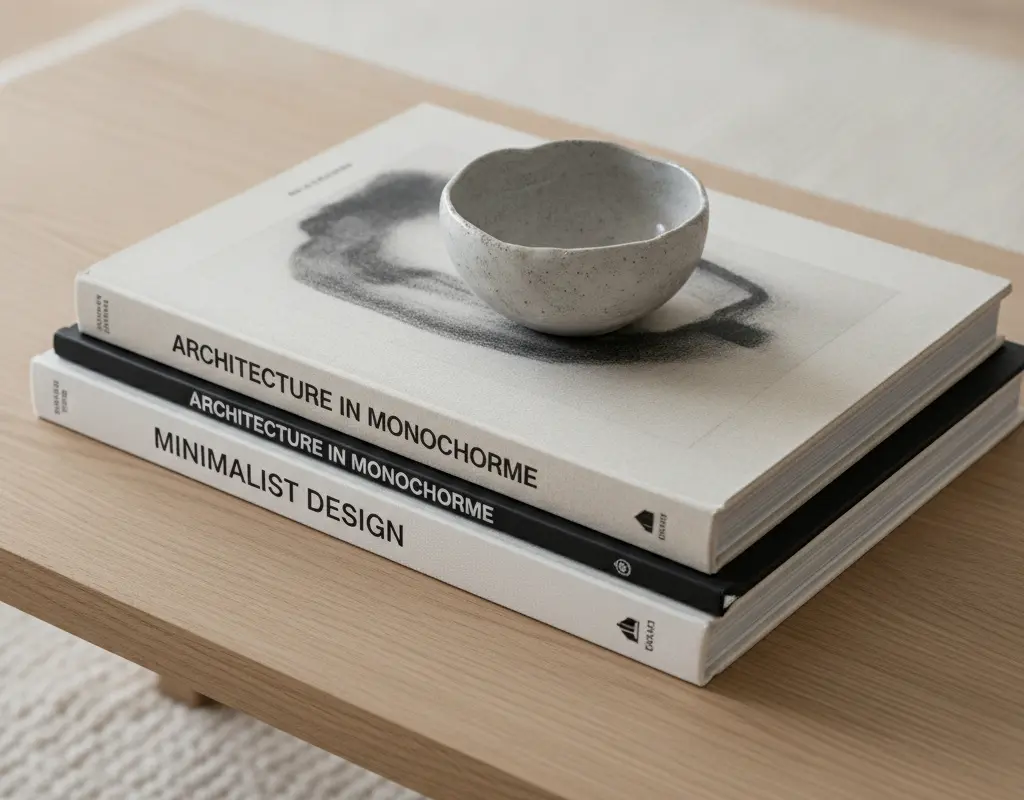
The visual impact of your book stacks extends beyond their size; color plays a crucial role. You have two main approaches: creating a harmonious, monochromatic look or making a bold statement with vibrant art covers. For a serene, sophisticated vibe, opt for books with linen or subtly colored spines that align with your room’s existing palette. Think muted tones, neutrals, or a single color family.
Alternatively, if your room needs a pop of color or a focal point, embrace books with striking, graphic covers. These can serve as miniature art pieces themselves, adding personality and a touch of whimsy. When choosing, consider how the book’s cover art contributes to the overall narrative of your living space. For more insights into cohesive design, explore the nuances of what is Organic Modern style and how it influences material and color choices.
Topping the Stack: Sculptural Stone Beads, Bowls, and Candle Snuffers
A beautifully stacked set of books often benefits from a thoughtful topper. This final touch adds an extra layer of design and personality, turning your stack into a true vignette. Consider small, sculptural objects that complement the scale and style of your books.
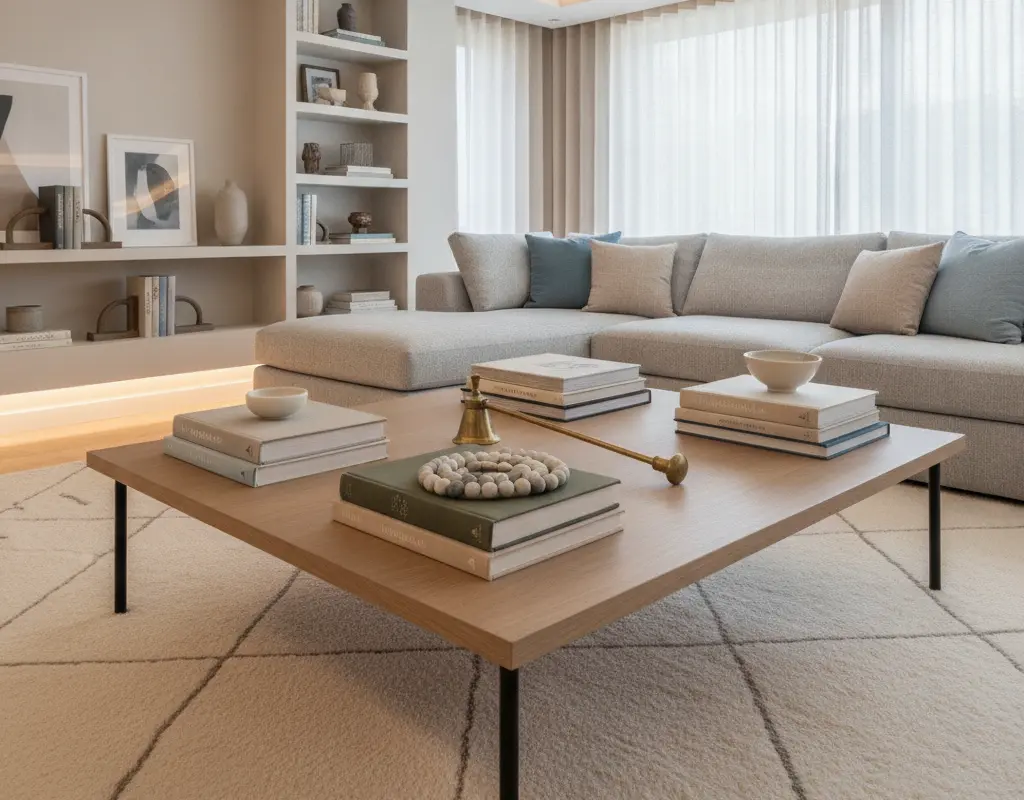
- Sculptural Stone Beads: Drape a strand of oversized stone beads over the top book for an organic, textured element.
- Small Decorative Bowls: A small, unique ceramic or wooden bowl can hold air plants, a single piece of sea glass, or simply stand alone as a minimalist statement.
- Elegant Candle Snuffers: For a touch of classic sophistication, a stylish candle snuffer can rest delicately on the top book, especially if candles are part of your coffee table decor.
- Coasters: A set of high-end coasters can be stacked neatly on the top book, ready for use.
These small additions not only complete the look but also provide an opportunity to introduce different textures and materials, enhancing the tactile experience of your decor. As Architectural Digest often highlights, these details are key to a professionally styled space.
Staggering Book Stacks Diagonally on Rectangular Tables
For rectangular or larger coffee tables, you have the opportunity to play with arrangement beyond simple straight stacks. Staggering your book stacks diagonally can add dynamic movement and visual interest to the entire surface. Instead of lining them up perfectly, angle one stack slightly, or place another off-center.
This technique breaks up the monotony of straight lines and encourages the eye to travel across the table. It works particularly well when combined with other decorative elements like trays, vases, or candles, creating a layered and inviting display. Experiment with different angles until you find a composition that feels balanced and engaging for your specific table shape.
Conclusion
Mastering how to stack coffee table books is a simple yet powerful way to elevate your home decor. By applying principles of scale, color, and thoughtful accessorizing, you transform everyday items into artful displays. Remember to keep stacks intentional, limited, and always topped with a touch of personality.
Ultimately, your coffee table should reflect your style and provide a focal point in your living space. Experiment with these guidelines, allowing your unique taste to shine through each carefully curated stack. Your books are not just for reading; they are an essential part of your home’s story.


